
 Mia McKenny
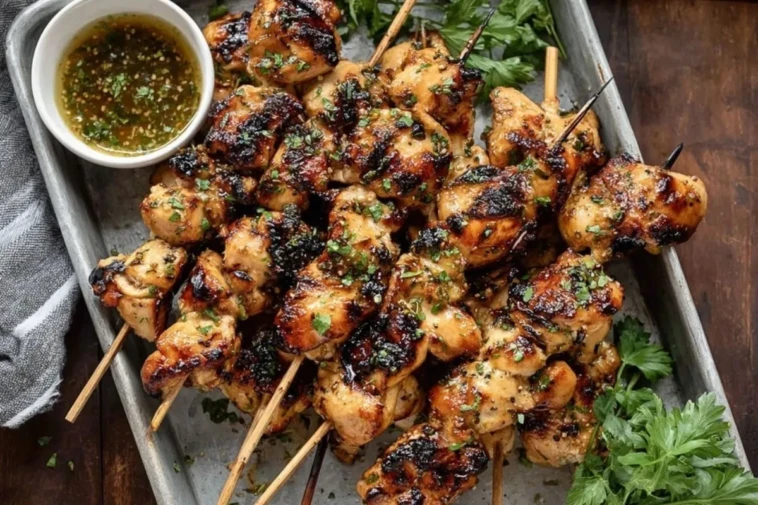

These Honey Garlic Chicken Skewers are designed to give you dependable flavor with minimal fuss. Whether you’re grilling outdoors or using a stovetop grill pan, this recipe delivers juicy, tender chicken coated in a sticky, glossy glaze that hits all the sweet, savory, and garlicky notes in one bite. If you’ve ever struggled with dry or under-seasoned chicken skewers, this version is engineered to solve that with a marinade that does the heavy lifting and a method that keeps the meat moist and flavorful.
What you’ll learn from this recipe goes beyond simply threading meat on sticks. I’ll show you why a marinade with honey and garlic builds flavor and moisture, how to get the most out of your chicken thigh cuts, and how timing and heat work together to create those irresistible charred edges without overcooking the inside.
Many chicken skewer recipes rely too much on high sugar sauces that burn quickly, or lean on lean breast meat that dries out fast. This recipe corrects for both. I tested it with both boneless thighs and breasts, and the thighs consistently yielded more forgiving, flavorful results. The glaze, too, is carefully balanced so it caramelizes without scorching, giving you a glossy finish that clings beautifully to the meat.
In the broader world of grilled meats, these skewers hold their own next to crowd favorites like teriyaki chicken or satay, but with a distinctly bold, garlicky punch that makes them especially memorable. Bring this to the table, and what you’ll have is a sticky-sweet, deeply savory crowd-pleaser that works just as well for a casual backyard meal as it does for a flavorful weeknight dinner.
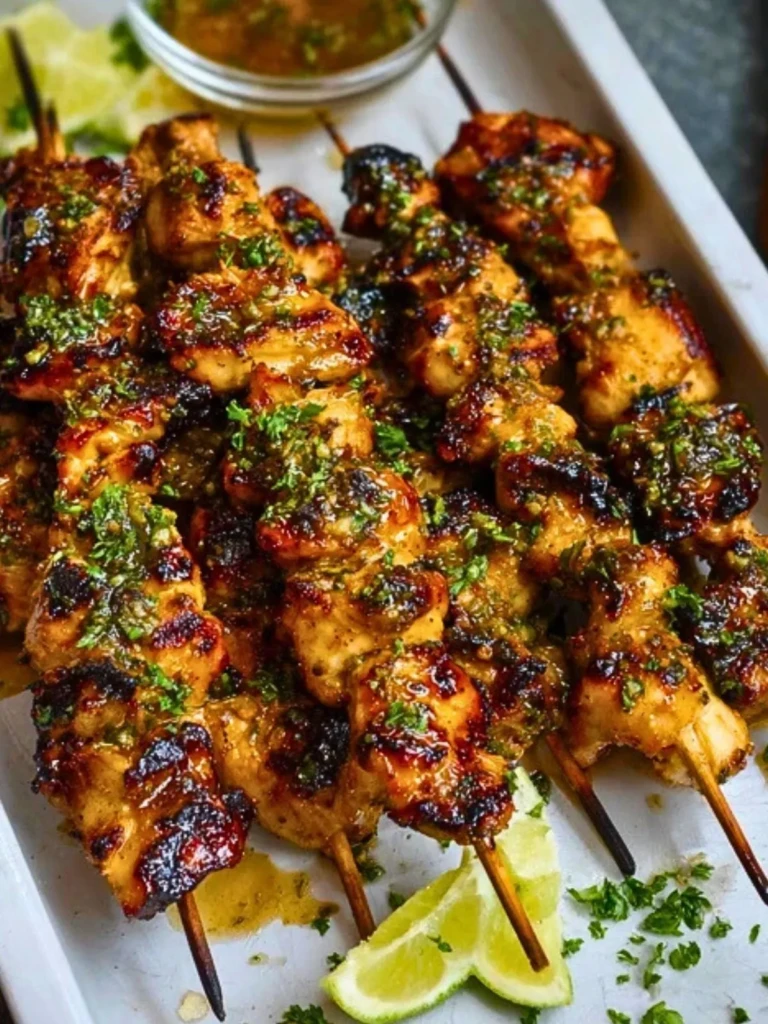
Ingredients for the Honey Garlic Chicken Skewers
The flavor foundation for these skewers starts with the marinade, which doubles as a glaze. Each component was selected for how it interacts with the chicken, both in taste and in texture. Starting with boneless, skinless chicken thighs is key. Thigh meat stays juicy over high heat and has enough intramuscular fat to carry flavor all the way through each bite. While chicken breast can be used, it requires tighter control over cook time and benefits from additional oil in the marinade to protect against dryness.
The honey serves a dual purpose. It sweetens and thickens the marinade while ensuring a golden, sticky finish once grilled. Compared to brown sugar, honey offers a cleaner caramelization and a silkier texture in the glaze. I tested both, and honey created a more controlled browning that allowed the garlic to shine instead of burn.
Garlic, of course, is the central flavor note here. Freshly minced garlic delivers the sharp, aromatic punch needed to contrast the sweetness of the honey. Pre-minced garlic in jars often falls flat in high-heat cooking, where it can taste dull or even metallic. I recommend grating the garlic for maximum flavor infusion.
Soy sauce is what brings depth and salt to the marinade. I opt for low-sodium soy sauce so we can control seasoning more precisely, especially since the marinade reduces slightly on the grill and can intensify. For added umami, a small dash of fish sauce can deepen the savoriness without making it fishy—just enough to give it that restaurant-quality backbone.
Rice vinegar brightens the flavor and balances the sweetness of the honey. It has a gentle acidity that doesn’t overwhelm the glaze the way lemon juice or white vinegar might. A touch of sesame oil rounds out the mix with a nutty aroma that clings beautifully to grilled meat.
To finish, I always include freshly cracked black pepper and a handful of chopped fresh parsley or cilantro for garnish. This final flourish of color and freshness contrasts the glossy glaze and adds dimension to each bite. These same ingredients would work well in other skewered recipes like Korean-style BBQ or yakitori, but the honey garlic profile makes this version especially approachable and crowd-friendly.
Choosing Between Chicken Thighs and Chicken Breasts
In testing this recipe, I alternated between boneless chicken thighs and chicken breasts to determine how each performed with the marinade and grilling method. The results were clear: while both options can work, they produce very different outcomes.
Chicken thighs were consistently juicier, more flavorful, and more forgiving during cooking. Their higher fat content allows them to stay moist even when slightly overcooked. When grilled, the fat helps create those deliciously charred bits that add complexity to each bite. The glaze also adheres better to the textured surface of thigh meat, creating a glossy, flavor-packed exterior.
Chicken breasts, on the other hand, require more attention. They have a lower fat content, so they cook faster and dry out more easily. To use breasts successfully, I recommend cutting them into larger chunks and marinating for the full recommended time to help retain moisture. You may also need to baste them during grilling to keep them from becoming dry. The end result can still be excellent, just more delicate in texture and slightly less rich.
If you’re cooking for a crowd and want reliable, foolproof results, go with thighs. If you’re looking for a leaner option and are willing to monitor the grill more closely, breasts can certainly work. From a cost and availability standpoint, thighs are often more economical and flavorful, especially when grilling is involved. This same comparison holds true in other recipes like chicken souvlaki or grilled fajita skewers, where the forgiving nature of thighs typically wins out for best flavor and ease of cooking.
The Grilling Method That Protects the Juiciness
The technique behind perfectly grilled chicken skewers hinges on managing heat and timing, and it starts well before the skewers hit the grill. First, always preheat your grill or grill pan until it’s properly hot. You should be able to hold your hand a few inches above the surface for no more than two to three seconds. This initial sear is what locks in juices and begins the caramelization of the honey garlic glaze.
Soaking wooden skewers in water for at least 30 minutes is not just a precaution—it’s necessary to prevent burning. This is especially important for high-heat grilling where unsoaked skewers can ignite and ruin your cook.
Threading the chicken tightly but not overly packed ensures even cooking. If the pieces are too far apart, they dry out. Too close, and they won’t cook evenly. A little breathing room between chunks allows heat to circulate while letting the marinade caramelize properly around each piece.
Once on the grill, avoid constant turning. Start by searing one side for a solid three to four minutes before flipping. You want that initial contact to create a good char. After flipping, baste the skewers with any remaining marinade to intensify the flavor and add moisture. The sugar in the honey will naturally begin to thicken into a glossy glaze as it meets the heat, so there’s no need to reduce it beforehand.
Visual cues matter here. You’re looking for deep golden edges with darker caramelized spots, but no black charring. Internally, the chicken should reach 165°F. A quick-read thermometer is the best way to ensure this without cutting into the meat. Overcooking is the biggest risk, and this method of minimal flipping and hot searing helps prevent it.
This grilling approach mirrors techniques used in recipes like yakitori or grilled satay, where simplicity of movement and controlled heat produce the best results. It also means the skewers stay intact, juicy, and vibrant—exactly what you want when the glaze is the star of the show.
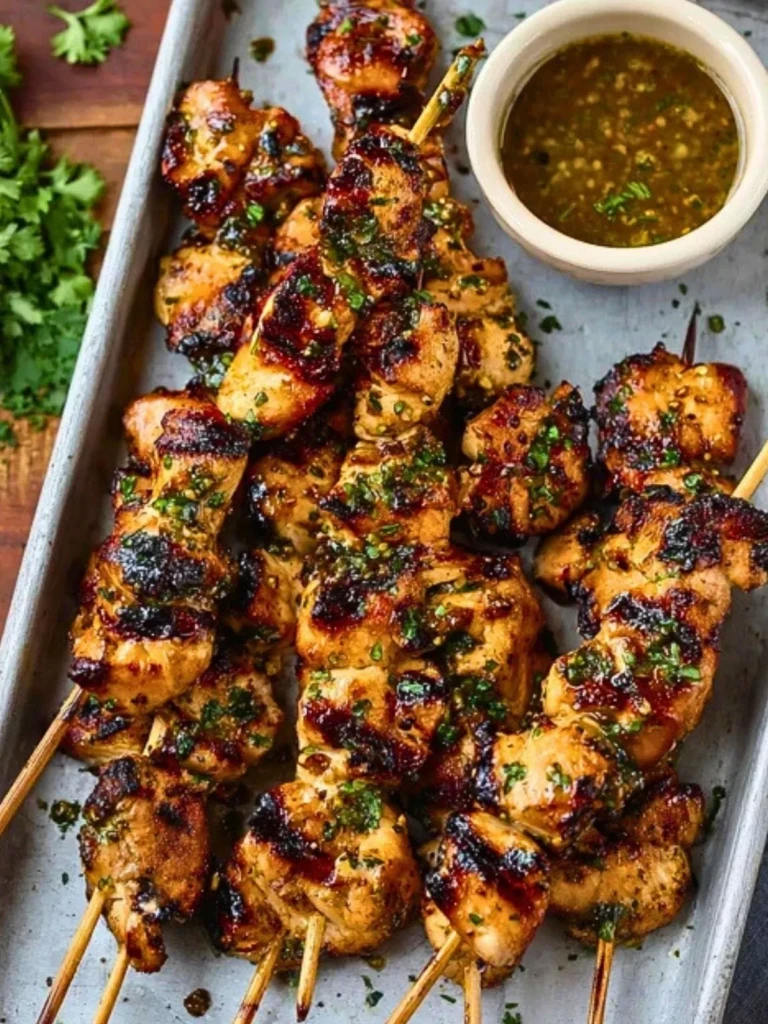
Serving and Storing Honey Garlic Chicken Skewers
When it comes to presentation, these skewers make an impact straight off the grill. Serve them directly on the skewers for a rustic, hands-on feel, or remove the pieces and arrange them over a bed of jasmine rice or grilled vegetables for a more polished plate. A final drizzle of reserved glaze or a scattering of fresh herbs right before serving elevates the dish both visually and aromatically.
One of the advantages of this recipe is its flexibility for preparation. The chicken can be marinated up to 24 hours in advance and kept refrigerated until you’re ready to grill. This deepens the flavor and allows you to simply grill and serve when guests arrive or when dinnertime hits. If you need to prepare the skewers even earlier, you can fully cook them and reheat gently in a covered pan over medium heat or in the oven at 300°F for about 10 minutes.
Storage is straightforward. Leftover skewers can be refrigerated for up to four days. I recommend removing the chicken from the skewers before storing to keep them from drying out. For reheating, a quick toss in a hot pan or a microwave session with a damp paper towel helps maintain their moisture.
As the glaze continues to settle into the meat after cooking, you’ll notice that the flavor actually becomes richer and more integrated the next day. This makes it an excellent meal prep option or a make-ahead dish for gatherings.
These same serving and storing principles apply to similar recipes like sticky teriyaki chicken or BBQ-glazed kebabs, where a balance of sweet and savory develops even more fully over time. Whether served fresh or as leftovers, these skewers hold their own as a versatile and flavorful dish.
A Quick Note on Comparisons With Other Grilled Chicken Skewers
While honey garlic chicken skewers may sound familiar, this version stands out by refining the balance of sweetness, acidity, and umami in a way that many standard recipes miss. Compared to common honey garlic marinades that rely heavily on sweetness, this one introduces layers of flavor from vinegar, soy, and sesame oil, creating a glaze that doesn’t just coat the meat but infuses it with richness.
In comparison to classic teriyaki chicken skewers, which lean heavily into a sweeter soy base, this version brings a sharper garlic-forward profile and a lighter finish due to the rice vinegar. It also avoids the often syrupy texture of teriyaki by embracing the fluid caramelization properties of honey. Versus BBQ-style chicken skewers that usually rely on thick sauces and bolder smoke, this recipe brings more finesse and subtlety—better suited for those who want something bright and vibrant, but still deeply satisfying.
Readers who’ve tried this version often report that it becomes their new go-to for summer grilling because it doesn’t overwhelm the palate or require complicated ingredients. The results are visually appealing, reliably juicy, and easy to pair with side dishes like sesame slaw, coconut rice, or grilled corn.
Its biggest situational advantage is that it adapts well to different cooking environments—outdoor grill, stovetop grill pan, or even broiler—without compromising on texture or flavor. That’s something few sticky chicken skewer recipes can claim without excessive basting or added sugar. This dish represents a modern, flavor-forward take on a timeless grilling favorite.
Print
Honey Garlic Chicken Skewers – Juicy, Glazed, and Grilled to Perfection
- Total Time: 30 minutes
- Yield: 4 servings
Description
Sticky, sweet, savory and loaded with bold garlic flavor, these Honey Garlic Chicken Skewers are grilled to juicy perfection with a glossy, caramelized glaze that clings to every bite.
Ingredients
2 pounds boneless skinless chicken thighs
1/3 cup honey
1/4 cup low-sodium soy sauce
1 tablespoon rice vinegar
1 tablespoon sesame oil
5 cloves garlic, grated
1 teaspoon freshly cracked black pepper
1 tablespoon chopped fresh parsley or cilantro
Optional: 1 teaspoon fish sauce
Instructions
1. Cut the chicken thighs into large, even chunks, about 1.5 inches in size.
2. In a large bowl, whisk together the honey, soy sauce, rice vinegar, sesame oil, grated garlic, and black pepper. Add fish sauce if using.
3. Add the chicken to the marinade and stir to coat. Cover and refrigerate for at least 1 hour or up to 24 hours.
4. If using wooden skewers, soak them in water for at least 30 minutes before grilling.
5. Preheat your grill or grill pan to medium-high heat. Thread the chicken pieces onto the skewers, leaving slight gaps between them.
6. Place the skewers on the hot grill. Sear for 3–4 minutes per side without moving them too much to allow proper charring.
7. Flip the skewers and baste with any remaining marinade. Grill for another 3–4 minutes, or until chicken reaches an internal temperature of 165°F.
8. Remove from grill and let rest for 5 minutes. Garnish with chopped herbs and serve hot.
Notes
Use boneless chicken thighs for the juiciest results; chicken breasts can work but require careful timing.
Always soak wooden skewers to prevent burning during grilling.
The marinade doubles as a glaze, so don’t reduce it beforehand; it will naturally thicken as it cooks on the grill.
- Prep Time: 15 minutes
- Cook Time: 15 minutes
- Category: Dinner
- Method: Grilling
- Cuisine: Asian-inspired
Nutrition
- Serving Size: 2 skewers
- Calories: 320
- Sugar: 12g
- Sodium: 610mg
- Fat: 14g
- Saturated Fat: 3g
- Unsaturated Fat: 9g
- Trans Fat: 0g
- Carbohydrates: 15g
- Fiber: 0g
- Protein: 35g
- Cholesterol: 130mg
Keywords: chicken skewers, honey garlic, grill, summer, quick dinner