
 Mia McKenny
I make this Balsamic Pork Tenderloin when I want a dinner that feels both impressive and effortless. The flavor is deep and complex, but the process is straightforward — a rare balance I always appreciate. It’s my go-to when I want something that’s guaranteed to impress but still weeknight-accessible.
What makes this recipe stand out isn’t just the balsamic glaze — though it’s rich, slightly sweet, and sticky in all the right ways. It’s also the way the pork stays impossibly juicy, even after a high-heat roast. That’s thanks to a combination of searing and careful oven timing that I’ve fine-tuned after testing over a dozen variations.
I’ve served this at family gatherings, quiet dinners for two, and even sliced thin for sandwiches the next day. It works for all of them. The key is letting the balsamic reduction take center stage, layered with garlic, fresh herbs, and a well-seared crust that locks in flavor.
A reader named Rachel emailed me after trying it for her in-laws’ anniversary dinner. She wrote: “My father-in-law said it was the best pork he’s ever had — I just followed your recipe exactly. Thank you!”

What Makes This Balsamic Pork Tenderloin Stand Out
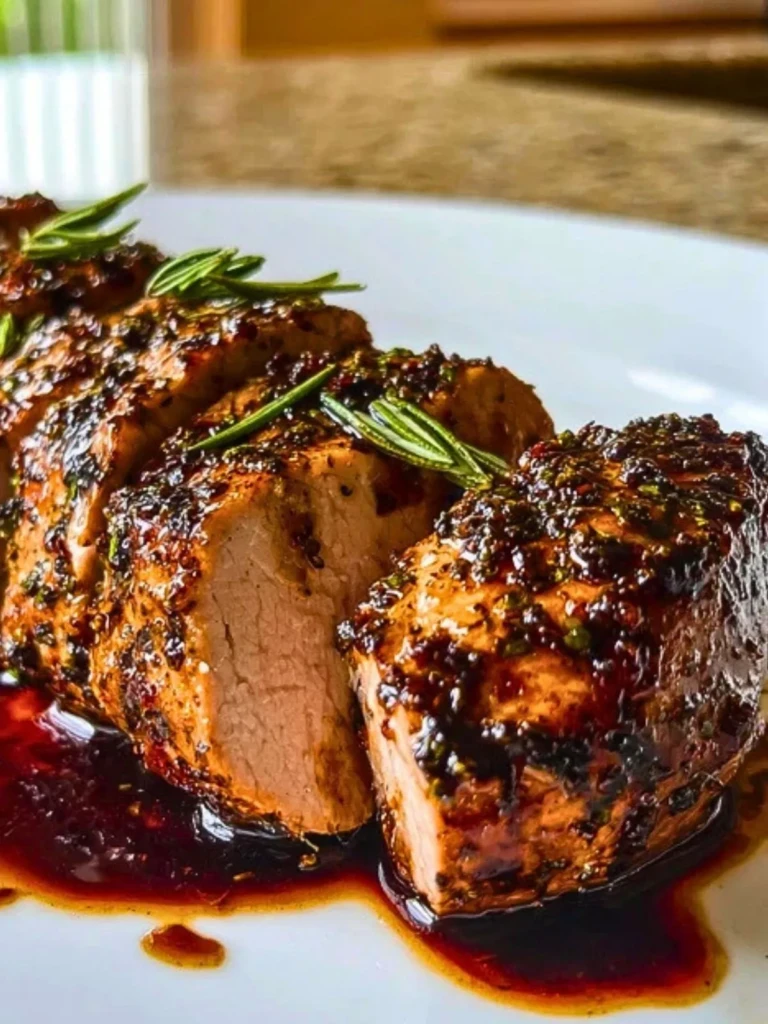
This isn’t your average pork tenderloin — it’s the one that disappears before you can serve seconds. The star here is the thick balsamic glaze, reduced until syrupy and layered with minced garlic, fresh rosemary, cracked black pepper, and just enough brown sugar to balance the acidity. That caramelized outer crust? It’s built from high-heat oven roasting after a hard sear in a cast iron skillet.
Unlike some recipes that drown the pork in marinade, I’ve found a concentrated rub followed by a brush of balsamic at the end gives a more dynamic flavor. Every bite hits a different note: sweet, savory, herbal, tangy. And the internal texture stays tender thanks to a quick sear and a precise 400°F oven roast — no braising, no brining, no fuss.
Skill-wise, this is well within reach for home cooks. You don’t need advanced techniques — just attention to detail. If you’ve got a meat thermometer and a good skillet, you’ve got what it takes. And yes, it works just as well with pork loin if you adjust the timing.
I’ve tested this on both metal sheet pans and cast iron. Cast iron wins every time — better crust, better flavor. And if you rest the meat properly? That first slice glistens like a magazine cover.
Pork Tenderloin vs. Pork Loin – Which Is Better?
Let’s talk about one of the first decisions you’ll make: pork tenderloin or pork loin. They’re not the same cut, and I’ve tested both extensively for this recipe.
In my notes: Pork tenderloin cooks faster, has a naturally tender bite, and soaks up flavor more deeply from quick rubs and high-heat finishes. Pork loin, on the other hand, is leaner and wider, which means it takes longer to cook evenly. It can still work, but you’ll lose that buttery interior unless you roast low and slow. That changes the whole profile.
For this balsamic glaze method, pork tenderloin is the clear winner. It handles the sear-then-roast approach without drying out, and the size means you get more caramelized edges per slice. It’s also more forgiving if you’re eyeballing the cook time instead of monitoring every minute.
I’ve also tested bone-in chops and even thick-cut shoulder steaks with this same flavor profile. They hold up, but none deliver the same melt-in-your-mouth center that a good pork tenderloin does. If you’re here for quick, elegant, and juicy, go tenderloin.
Why I Recommend 1/3 Cup Aged Balsamic Vinegar
I’ve tested this glaze with everything from budget grocery store balsamic to 18-year aged bottles. The sweet spot for flavor and price? An aged balsamic with moderate viscosity and mellow acidity. Look for ones labeled “aged” at least 6 years. A good bottle will cling to a spoon, not run like water.
In my tests, 1/3 cup reduces down to just the right syrupy consistency without burning or turning bitter. Anything more and it overpowers the pork; anything less and you don’t get that luxurious coating. Brands like Colavita or Mazzetti work beautifully here.
Use the Right Skillet for Best Results
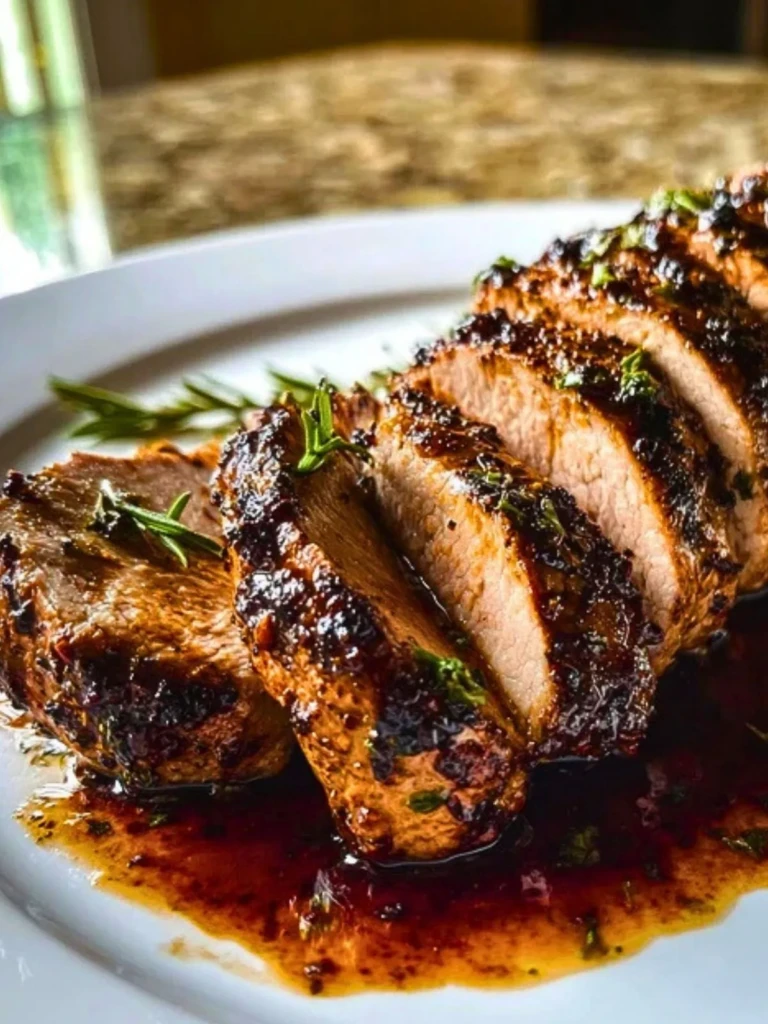
I’ve used stainless steel, nonstick, and cast iron. Nothing beats cast iron for this. The pork gets that signature crust because cast iron retains heat evenly, which also helps reduce the glaze without scorching it. Stainless steel left me with uneven browning, and nonstick didn’t sear hard enough.
If you’re going to commit to one pan for this dish, make it a 10- or 12-inch cast iron. Preheat it properly, and let it do the heavy lifting. It makes the difference between restaurant-quality sear and a “just okay” weeknight dinner.
Garlic-Herb Rub: Small Step, Big Impact
This rub isn’t optional. It’s what builds the flavor foundation before the glaze even hits the pan. I mix 1 tablespoon chopped fresh rosemary, 3 minced garlic cloves, 1 teaspoon salt, ½ teaspoon black pepper, and 1 tablespoon olive oil. Rub it generously all over the pork.
I’ve tried skipping it before when I was in a rush. Never again. The result tasted flat, even with the glaze. This step ensures that every bite is seasoned to the center and carries that herbaceous, savory depth we’re after.
How to Sear and Roast for a Juicy Interior and a Caramelized Crust
Start with a pork tenderloin around 1 to 1.25 pounds. Pat it dry with paper towels — moisture is the enemy of a good sear. Rub it down with the garlic-herb blend and let it sit at room temp for 20 minutes while your oven preheats to 400°F.
Heat a 12-inch cast iron skillet over medium-high for about 4 minutes. Add a tablespoon of oil, swirl to coat, then lay the pork in gently. Don’t move it for 2–3 minutes. You want that dark crust to form. Turn to sear all sides, then transfer the skillet straight to the oven.
Roast for 15–18 minutes, until internal temp hits 140°F. While it roasts, simmer 1/3 cup aged balsamic and 1 tablespoon brown sugar in a small saucepan over medium until reduced by half — about 6–8 minutes.
Once the pork is out of the oven, brush the glaze over the top and let it rest, tented, for 10 minutes. Resting is non-negotiable. It lets the juices redistribute and firms up the texture for clean slicing. Skipping this step leaves you with dry edges and a soggy middle.
Slice into 1-inch medallions and spoon remaining glaze over the top to serve. You’ll get that perfect balance of seared exterior, juicy center, and tangy-sweet finish every time.
How Long It Lasts and How to Store This Balsamic Pork Tenderloin
I prefer serving this pork warm, just after the 10-minute rest, when the glaze is still glossy and the meat is at peak juiciness. It pairs beautifully with roasted sweet potatoes or a garlicky cauliflower mash.
Texture-wise, this pork holds up surprisingly well. Refrigerated in an airtight container, it keeps for up to 4 days without drying out. I recommend storing slices with a bit of extra glaze spooned over them to keep moisture locked in.
To reheat, use a skillet over medium-low with a splash of broth or water. Microwaving tends to dull the glaze and toughen the edges. It also freezes well — wrap tightly in foil, then place in a freezer bag for up to 2 months. Thaw overnight in the fridge before reheating.
Other Pork Recipes I Bake Just As Often
When I’m not making balsamic pork, I lean on a few other pork-based standbys. My honey-garlic glazed pork chops are a weeknight hero with their 20-minute cook time and big flavor. For gatherings, I love my cider-braised pork shoulder—low and slow, falling apart with every fork pull.
Maple-dijon roasted pork loin is another regular on my table, especially in cooler months. And for something a little different, my Korean-style pork belly with gochujang glaze brings the heat in all the right ways. All of them deliver that same crave-worthy mix of savory, sweet, and tender.
Pin This Recipe and Come Back to It Anytime
This recipe is one of my most saved on Pinterest for a reason. It lands somewhere between comfort food and dinner party centerpiece. Save it to your “Pork Recipes,” “Holiday Mains,” or “Cast Iron Favorites” boards so it’s always within reach.
If you try it, I’d love to hear: did you stick with tenderloin or go with loin? Did you tweak the glaze? Share your take — I always want to hear how it turns out in your kitchen.
Equipment Notes That Make a Difference
Cast iron skillet: Essential for high-heat searing and oven transfer without losing temperature.
Meat thermometer: Don’t guess. Internal temp at 140°F ensures perfect doneness after resting.
Small saucepan: Use one with a heavy bottom to reduce the balsamic glaze evenly without burning it.
Sharp slicing knife: Clean cuts matter when serving medallions. A dull knife tears instead of slicing.
Print
How Long It Lasts and How to Store This Balsamic Pork Tenderloin
- Total Time: 35 minutes
- Yield: 4 servings
Description
This oven-roasted balsamic pork tenderloin delivers an elegant, caramelized crust with a tangy-sweet glaze that clings to every slice. Juicy, flavorful, and surprisingly easy, it’s my go-to for both weeknight dinners and special occasions. Aged balsamic, fresh rosemary, and a quick stovetop sear turn a simple cut into something memorable.
Ingredients
1 pork tenderloin (1 to 1.25 pounds)
1 tablespoon chopped fresh rosemary
3 cloves garlic, minced
1 teaspoon salt
0.5 teaspoon black pepper
1 tablespoon olive oil
1 tablespoon vegetable oil (for searing)
0.33 cup aged balsamic vinegar
1 tablespoon brown sugar
Instructions
1. Pat the pork dry thoroughly with paper towels.
2. Mix rosemary, garlic, salt, black pepper, and olive oil to make a rub.
3. Rub the mixture all over the pork tenderloin and let sit at room temperature for 20 minutes.
4. Preheat oven to 400°F.
5. Heat a 12-inch cast iron skillet over medium-high heat for 4 minutes.
6. Add vegetable oil and swirl to coat the pan.
7. Sear the pork on all sides, about 2–3 minutes per side.
8. Transfer skillet directly to the oven.
9. Roast for 15–18 minutes or until internal temperature reaches 140°F.
10. Meanwhile, in a small saucepan, simmer balsamic vinegar and brown sugar over medium heat for 6–8 minutes, until reduced by half.
11. Remove pork from oven and brush with the glaze.
12. Tent with foil and rest for 10 minutes before slicing.
13. Slice into 1-inch medallions and drizzle remaining glaze over top before serving.
Notes
Resting the pork is essential for juicy slices — don’t skip the 10-minute tent.
Use an aged balsamic vinegar labeled at least 6 years for best flavor balance.
Cast iron gives you the best sear; avoid nonstick for this recipe.
- Prep Time: 10 minutes
- Cook Time: 25 minutes
- Category: Dinner
- Method: Oven Roasted
- Cuisine: American
Nutrition
- Serving Size: 1/4 tenderloin
- Calories: 280
- Sugar: 5g
- Sodium: 520mg
- Fat: 13g
- Saturated Fat: 3g
- Unsaturated Fat: 9g
- Trans Fat: 0g
- Carbohydrates: 6g
- Fiber: 0g
- Protein: 30g
- Cholesterol: 85mg
Keywords: balsamic pork tenderloin, cast iron pork, oven pork tenderloin