
 Mia McKenny

The very first time I made beef stew, it was late October, the kind of day that smells like woodsmoke and fallen leaves. My daughter, Hannah, had just come home from college for fall break and asked, “Can you make something cozy tonight? Something that smells like home?” I remember standing in front of the pantry, unsure of how to begin, heart full of wanting to get it just right.
Back then, I didn’t know that browning the meat deeply made all the difference. Or that adding the vegetables too early would leave them mushy and muted. My first try was too thin, a little bland, and definitely overcooked. Still, we sat around the table, laughing and dipping buttered bread into our bowls, and something about that made even the imperfect version feel like a win.
It took me several seasons to settle into my own rhythm with beef stew. I began layering the flavors patiently: searing the chuck roast until a rich crust formed, letting the onions soften slowly, choosing the right potatoes to hold their shape. Carrots, turnips, and celery came later, and once I even stirred in a splash of red wine. The final version? It tastes like home. Earthy and warm, with tender beef, jewel-toned root vegetables, and a broth that feels like a blanket wrapped around your shoulders.
What I love most is the emotional weight it carries now. It reminds me of the quiet satisfaction that comes from nurturing something—whether it’s a recipe or a child returning home for a short stay. This stew, with all its humble ingredients and deep flavor, has become something of a tradition in our family, requested whenever the wind turns cool and the days get shorter.

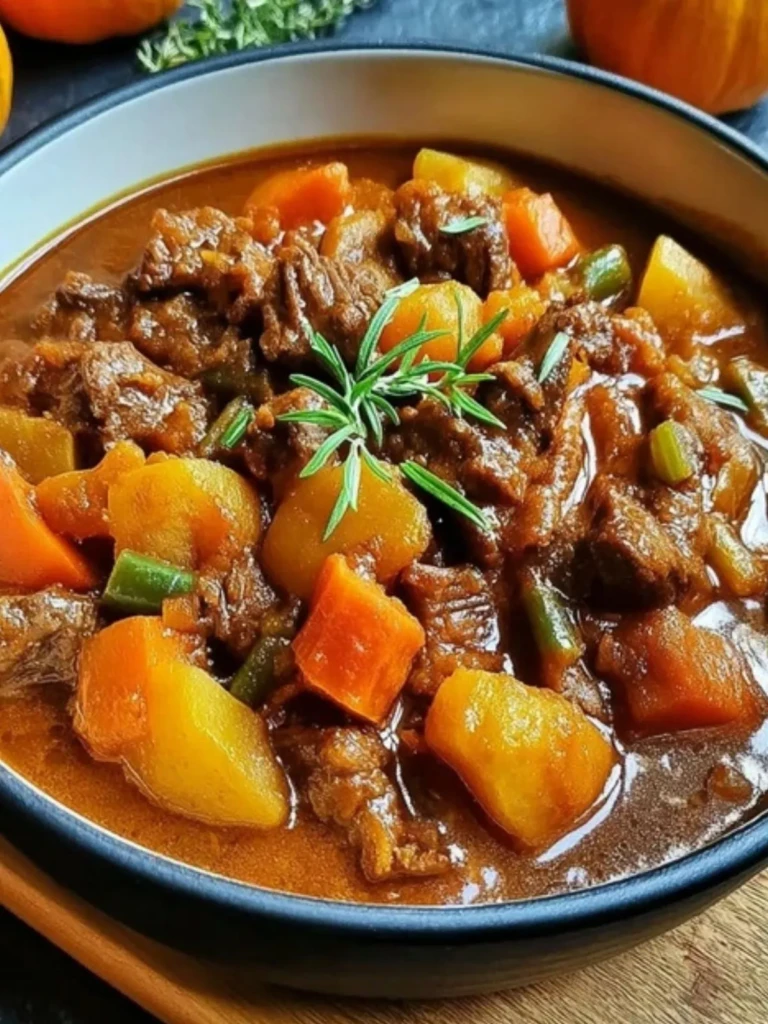
Ingredient Tips for the Beef and Vegetables
I always start with a quiet check of the pantry, tracing my fingers over the tops of spice jars, nudging aside bags of flour until I find the thyme and bay leaves. My grandmother taught me to keep a handwritten list tucked inside the cupboard door—just the basics, but it keeps me grounded. For beef stew, I stick to chuck roast. It’s forgiving, well-marbled, and becomes meltingly tender after a slow simmer.
I like to cube the beef myself instead of buying pre-cut stew meat. It reminds me of the way my father would take his time trimming and cubing roasts in our small kitchen, his hands steady and sure. Cutting it by hand means you can keep the pieces uniform, which helps them cook evenly and stay juicy.
Carrots, potatoes, and parsnips make up the heart of the stew. Yukon Golds are my go-to—they hold their shape without turning to mush. A sweet onion adds depth, while celery gives it a subtle backbone. When I have it on hand, I toss in a knob of rutabaga or turnip for a touch of earthiness.
The broth is simple but soul-warming: beef stock, a spoonful of tomato paste, and a hint of Worcestershire sauce. Sometimes I add a splash of red wine if I have a bottle open. A bit of flour helps thicken everything to that perfect spoon-coating consistency.
It’s a quiet joy, choosing these ingredients, thinking about how they’ll soften and blend into each other over time. I like to imagine my great-aunt Edith, who swore by a good stew in the fall, nodding in approval as I line everything up on the counter.
Mixing and Browning the Beef Layer
The first step is always the most grounding. I start by patting the beef dry with a paper towel—something my Aunt Ruth insisted on. “It helps the meat sear, not steam,” she’d say. I heat oil in my heavy-bottomed Dutch oven until it shimmers, then lay in the cubes of beef without crowding them. The sizzle is immediate and comforting. I count to ten slowly before turning each piece, letting a deep brown crust form. It smells rich and savory, the way cozy should smell.
Once all the beef is browned and resting on a plate, I pour in a splash of stock to deglaze the pan, scraping up every browned bit. That’s where the magic hides—in the bits stuck to the bottom. I add chopped onions and let them cook down until they start to caramelize, soft and golden.
Creating the Hearty Vegetable Base
In go the carrots, potatoes, and celery, each chopped with care. I always cut them chunky so they stay firm through the long simmer. As the vegetables warm, they begin to release their natural sweetness. I sprinkle in salt, pepper, thyme, and a small spoonful of tomato paste. The paste clings to the veggies, turning everything a deep rust color.
When I pour the beef back in, it feels like reuniting old friends. I stir gently, then cover everything with rich broth and a bay leaf or two. If I’m feeling indulgent, a glug of red wine finds its way in. I bring it all to a low simmer and lower the heat. The lid goes on, and the house slowly fills with a savory scent that wraps around every corner.
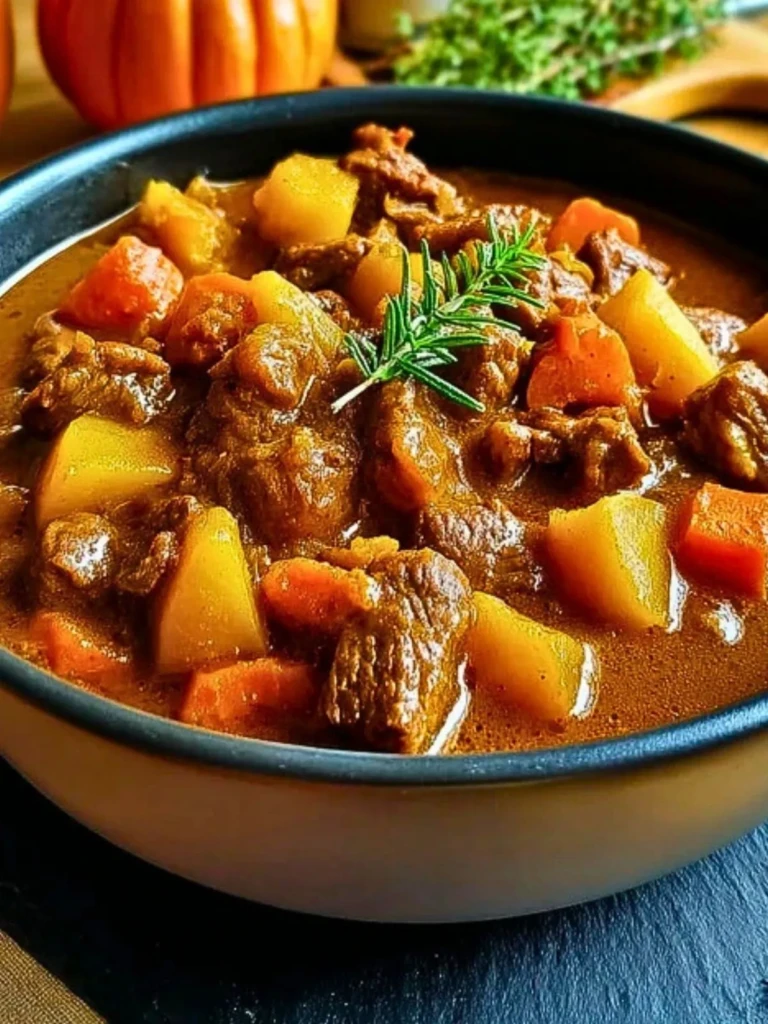
Finishing With a Silky, Slow-Simmered Stew
I let the stew bubble gently for two, sometimes three hours. I refuse to rush it. Every now and then, I give it a stir, checking the tenderness of the beef. When it breaks apart with the back of a spoon, I know it’s ready. A little cornstarch slurry or flour-butter paste helps thicken it at the end if needed, but usually, the starch from the potatoes has done the job.
The broth turns glossy and thick, just the way I like it. The vegetables soften but never lose themselves, and the beef is tender enough to yield to the side of a spoon. Right before serving, I taste and adjust, sometimes with a little more salt or a last twist of black pepper. And then I pause, lid tilted, savoring the steam and scent—a reward in itself.
Serving and Personal Reflections
When it’s time to serve the stew, I warm the bowls first. It’s a small step, but I believe it honors the time the stew has taken. I ladle it slowly, making sure each bowl gets a generous helping of meat and vegetables, then finish with a sprig of thyme or a sprinkle of chopped parsley. Sometimes I place thick slices of crusty bread alongside, still warm from the oven or just toasted with a brush of butter.
There’s something sacred in that first bite—the way the broth coats the tongue, how the beef falls apart with the slightest pressure, how the vegetables taste like they’ve been waiting for you. My husband always closes his eyes for a moment after that first spoonful. “That’s real food,” he says, every time.
I think often of Hannah’s request that first autumn: “Something that smells like home.” That’s what this stew has become. It’s requested when someone needs cheering up, when the leaves begin to fall, or just when we’re all craving the comfort of something familiar. It draws us to the table, slows us down.
Plating doesn’t need to be fancy. For me, a white bowl on a wooden table does the trick. A soft linen napkin, a candle flickering in the corner. It’s enough. Because this stew, more than anything, is about presence—about being here, together, warmed from the inside out.
Extra Inspiration: More Stew Night Creations
Sometimes, when I make beef stew, I find myself reaching for the fixings for chicken and dumplings, too. There’s something about having two pots bubbling away that feels deeply satisfying. My boys, Ben and Eli, have always preferred the chicken version, but once the beef stew starts filling the house with its warm, herby scent, they usually circle back for a second helping.
Other times, I prepare a batch of mushroom barley soup on the same weekend—its earthy chewiness pairs beautifully with the richness of the stew. I think of it as giving everyone a choice: hearty and meaty or rustic and simple. My husband says both taste like fall afternoons spent raking leaves and coming in for a warm bowl.
If I’m entertaining, I might serve a crusty French onion soup first, letting the sweetness of the caramelized onions set the stage for the deep, slow flavors of the stew. Each dish shares the same comforting rhythm: chop, stir, simmer, serve. It’s a rhythm I’ve come to treasure.
In our home, stews aren’t just meals. They’re seasonal markers, emotional anchors, and memory keepers. And every fall, I return to them—grateful for what they bring to the table, and what they bring out in us.
Save These Beef Stew Memories For Later
Every time I finish a batch of this stew, I make a quiet note to myself to pin it to my recipe board. It’s the kind of dish that earns its place in your regular rotation. My cousin Lynn actually prints it out and tapes it inside her cupboard, right next to my grandmother’s biscuit recipe. “It’s my cold weather lifeline,” she once told me.
I think there’s a certain magic in sharing recipes like this—recipes with stories, with slow roots. When I pass this one along, I always imagine the stew simmering in someone else’s kitchen, a quiet hum of conversation rising over the table.
There’s something special about collecting recipes that feel like they belong to a season. This beef stew is one of those. I love knowing it’s part of fall dinners, weekend gatherings, or just a Tuesday evening when someone needs a little extra warmth. Sharing it feels like wrapping a friend in a blanket.
If you’re like me and keep a Pinterest board of “Family Staples,” this one deserves a spot. Trust me—you’ll want to come back to it. Not just for the flavor, but for the comfort it brings, year after year.
Print
Beef Stew
- Total Time: 3 hours 20 minutes
- Yield: 6 servings
Description
Beef Stew is a comforting, slow-simmered dish filled with tender chunks of beef, rustic vegetables, and a deeply savory broth. It’s perfect for chilly evenings or when you’re craving a meal that feels like a warm hug. I love making it with chuck roast, Yukon Gold potatoes, carrots, and a touch of red wine for richness. This is a simple recipe with soul—hearty, nourishing, and deeply satisfying. It’s sometimes called Old-Fashioned Beef Stew or Hearty Autumn Stew, and there are stabilized versions that hold up beautifully for freezer meals too. I’ve tested it both for quick stovetop dinners and long weekend simmering—both work beautifully. Among comfort food classics, Beef Stew stands out for its rich flavor, versatility, and make-ahead ease. If you’re planning a fall meal rotation, this one absolutely deserves a spot.
Ingredients
2 pounds beef chuck roast, cubed
2 tablespoons vegetable oil
1 large onion, chopped
3 cloves garlic, minced
3 large carrots, sliced
3 medium Yukon Gold potatoes, cubed
2 stalks celery, chopped
1 tablespoon tomato paste
4 cups beef broth
1 teaspoon dried thyme
2 bay leaves
1 tablespoon Worcestershire sauce
Salt to taste
Black pepper to taste
2 tablespoons all-purpose flour (optional, for thickening)
1 tablespoon butter (optional, for thickening)
2 tablespoons chopped fresh parsley (for garnish)
Instructions
1. Pat beef cubes dry with paper towels.
2. Heat oil in a large Dutch oven over medium-high heat.
3. Brown beef in batches, turning to sear all sides, then set aside.
4. Deglaze the pot with a splash of beef broth, scraping up the browned bits.
5. Add chopped onion and garlic; sauté until translucent and fragrant.
6. Stir in carrots, potatoes, and celery; cook for 5 minutes.
7. Add tomato paste, thyme, bay leaves, and Worcestershire sauce.
8. Return beef to the pot and pour in remaining broth.
9. Bring to a simmer, then cover and reduce heat to low.
10. Simmer for 2.5 to 3 hours, stirring occasionally.
11. Optional: Mix flour and butter into a paste and stir into stew to thicken.
12. Season with salt and pepper to taste.
13. Remove bay leaves and garnish with parsley before serving.
Notes
Cut vegetables into larger chunks so they retain shape during long cooking.
Browning the beef deeply adds rich flavor to the final stew.
This stew tastes even better the next day—perfect for leftovers or meal prep.
- Prep Time: 20 minutes
- Cook Time: 3 hours
- Category: Main Course
- Method: Stovetop
- Cuisine: American
Nutrition
- Serving Size: 1 bowl
- Calories: 435
- Sugar: 5g
- Sodium: 680mg
- Fat: 20g
- Saturated Fat: 8g
- Unsaturated Fat: 10g
- Trans Fat: 0g
- Carbohydrates: 32g
- Fiber: 5g
- Protein: 32g
- Cholesterol: 85mg
Keywords: beef stew, hearty beef stew, autumn stew, classic beef stew, fall comfort food