
 Mia McKenny

Cajun Red Beans and Rice is one of those foundational Southern dishes that promises comfort and nourishment with every bite. My approach to this dish makes it accessible to home cooks who may be new to Louisiana-style cooking but are eager to build real flavor from scratch. You’ll learn how to achieve authentic depth with dried spices, a simple roux, and the right cooking sequence—without relying on overly processed shortcuts or flavor packets.
Too many red beans and rice recipes fall flat in two key ways: either they lack the seasoning layers that define Cajun cooking, or they rely too heavily on salt and sausage alone. This version goes deeper. It’s a plant-forward take that stands strong on its own, with the option to add smoked meat if you choose. What makes this dish stand out is the slow-cooked texture, the balance of spices, and the way the rice soaks up every bit of savory bean gravy.
Positioned within the world of comfort stews, this is a dish that bridges weekday ease with weekend soul. The hands-on time is minimal once you’ve started the simmer, but the result feels like a meal that took all day. It is perfect for feeding a crowd, for making ahead, and for truly tasting the cultural heart of Louisiana cuisine.
Bringing this to the table is about more than just sustenance. It delivers aroma, richness, and a sense of tradition. Whether you’re scooping it out family-style or plating it in quiet portions, you’ll feel like you’ve made something deeply nourishing and undeniably satisfying.

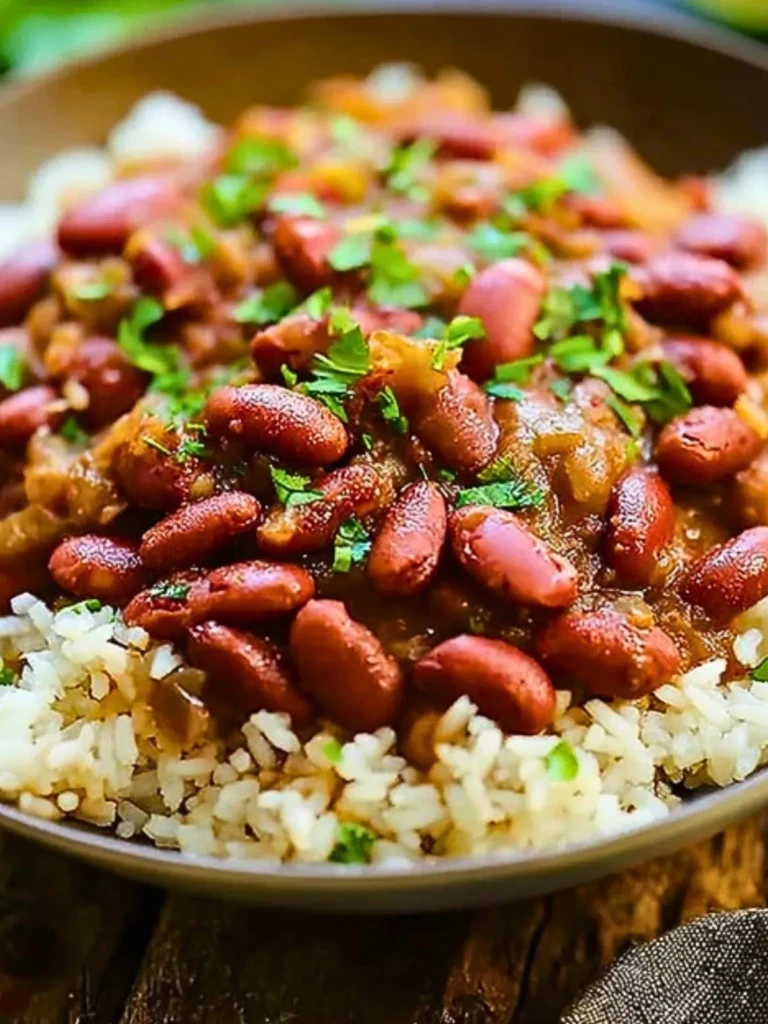
Ingredients for the Cajun Red Beans and Rice
The foundation of Cajun red beans and rice begins with the beans themselves. I use dried red kidney beans because their structure holds up best during the long simmer and they develop a creamy interior while still retaining shape. Canned beans are convenient, but they don’t absorb the flavor of the broth nearly as effectively. If using dried beans, soaking them overnight dramatically reduces cooking time and improves texture.
Next comes the trinity—onion, celery, and green bell pepper. This classic Cajun mirepoix forms the aromatic base of the dish and is absolutely essential. Each plays a role: onions lend sweetness, celery contributes grassy bitterness, and bell pepper adds brightness. I chop them small to help them melt into the bean mixture as it cooks, creating a cohesive body to the broth.
Garlic comes in generous measure. It balances the savory elements and deepens the complexity. I find that fresh garlic provides a more mellow heat compared to powdered forms, which can sometimes dominate with bitterness.
The spice blend is non-negotiable for building true Cajun flavor. I use a mix of smoked paprika, dried thyme, oregano, cayenne, and black pepper. The paprika introduces smoky depth, thyme and oregano give herbal lift, while cayenne brings controlled heat. This is balanced by a bay leaf or two, which infuse the pot with a subtle earthiness.
For umami, tomato paste and a splash of soy sauce work wonders. They enrich the savory base without overpowering it or veering into Italian territory. If you choose to add meat, andouille sausage or a smoked turkey leg are excellent. They infuse the pot with smoky fat and background salt, but I always advise sautéing them first to build flavor through browning.
The rice, ideally long-grain white rice or parboiled rice, should be cooked separately to maintain its texture. I prefer long-grain rice for its ability to stay fluffy and not clump when soaked in sauce. Brown rice can be used for a nuttier, more toothsome option, but be sure it’s fully cooked before serving, as its firmer bite can compete with the softness of the beans.
Lastly, fresh parsley or scallions added just before serving gives the entire bowl a lift. That brightness is the finishing touch that makes each bite feel balanced and alive.
Choosing Between Dried and Canned Beans
Choosing between dried and canned beans for red beans and rice isn’t just a question of convenience—it’s a matter of flavor, texture, and absorption. In my testing, dried beans produced a significantly more flavorful and cohesive dish. They absorb the spices, aromatics, and savory broth as they simmer, effectively becoming part of the seasoned liquid. This integration creates a creamy texture inside the bean without losing the integrity of the outer skin.
Canned beans, while undeniably quick and convenient, are already cooked and don’t take on new flavors in the same way. They also tend to break down faster during a long simmer, which can turn the dish slightly mushy if you’re not extremely gentle with stirring. That said, canned beans are an acceptable choice if you’re short on time—just reduce the simmering stage and be sparing with stirring to preserve structure.
For those interested in weeknight efficiency, I suggest cooking dried beans in advance and freezing them in their cooking liquid. This gives you the best of both worlds: the deep flavor of dried beans with the speed of canned. In terms of cost, dried beans are also more economical, especially when cooking in bulk.
When scaling this dish for gatherings or meal prep, dried beans provide more control over salt content and texture. Canned beans often come heavily salted and may require dilution to balance the seasoning. So while both paths can work, dried beans are the clear choice for those aiming for optimal flavor and structure in this classic Cajun recipe.
The Simmering Method That Protects the Creaminess
The key to coaxing both richness and creaminess from red beans lies in a patient, steady simmer. This method not only preserves the structure of the beans but also allows starches to slowly release and thicken the sauce naturally. I always begin by sautéing the aromatics in oil until they’re translucent and beginning to brown. This step unlocks sweetness and creates fond on the bottom of the pot, which builds depth when deglazed with broth or water.
Once the beans and liquid are added, I keep the heat low and the lid slightly ajar. A rolling boil can easily rupture beans, resulting in a chalky or broken texture. The gentle simmer encourages the beans to soften evenly, while the uncovered pot allows enough evaporation to concentrate the liquid without drying it out.
Stirring gently every 20–30 minutes ensures even cooking and prevents sticking, especially at the bottom of the pot. I also recommend mashing a few beans against the side of the pot in the final 30 minutes of cooking. This releases starches that thicken the broth and give the finished dish that signature creamy body.
A common mistake is seasoning too aggressively too early. Salt added before beans have softened can toughen their skins and inhibit cooking. I wait until the beans are nearly tender before introducing final levels of salt and acidic ingredients like vinegar or hot sauce.
This low-and-slow method connects directly to traditional Cajun stews, where time and heat are the primary tools for developing flavor and texture. It’s a technique rooted in both resourcefulness and respect for the ingredients. Once mastered, this simmering approach can be used in everything from lentil soups to chickpea curries with the same richly satisfying results.
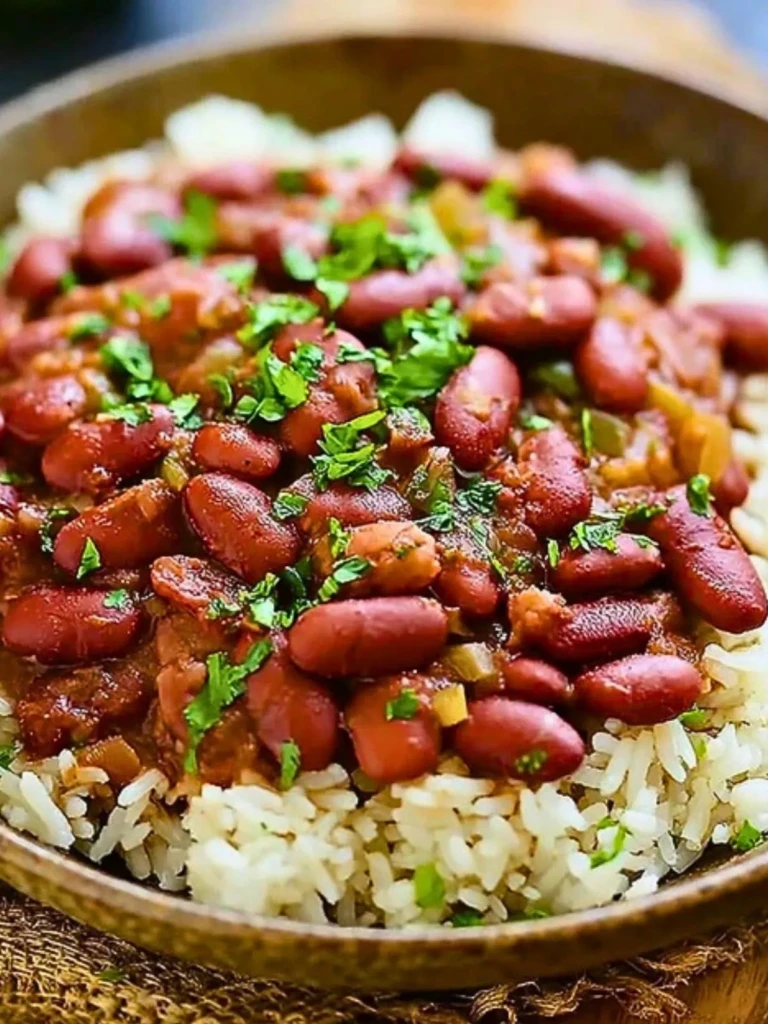
Serving and Storing Cajun Red Beans and Rice
When it comes time to serve Cajun red beans and rice, the presentation should be both rustic and intentional. I recommend scooping a generous mound of warm, fluffy rice into a shallow bowl and ladling the creamy beans over the top, allowing some sauce to pool around the base. A final scatter of fresh parsley or scallions provides a visual lift and a burst of freshness.
This dish thrives as a make-ahead option. In fact, the flavor deepens after a night in the fridge as the beans continue to absorb the seasoned broth. Stored in an airtight container, the beans will hold beautifully in the refrigerator for up to five days. Rice should ideally be stored separately to prevent sogginess and maintain texture when reheated.
For freezer storage, portion the beans into individual servings and freeze in airtight containers for up to three months. Let them thaw overnight in the fridge before reheating gently on the stove. I recommend adding a splash of broth or water during reheating to bring back the original consistency.
As with dishes like chili or stew, this recipe only improves with a bit of rest. The spices meld, the texture thickens slightly, and the overall harmony of flavors becomes more pronounced. If you’re serving it for a gathering or meal prep, it’s one of the few dishes where making it the day before is not only acceptable—it’s advisable.
This reheating resiliency also makes red beans and rice ideal for lunchboxes and leftovers. Much like gumbo or black bean soup, its versatility after cooking makes it a staple for both busy weekdays and slower weekends alike.
A Quick Note on Comparisons With Other Cajun Classics
Red beans and rice stands apart from other Cajun classics by being both humble and deeply nourishing. While dishes like gumbo or jambalaya often demand multiple proteins and a more intensive roux base, this one leans on pantry staples and slow cooking to achieve its richness. That simplicity is exactly what gives it staying power.
Compared to black-eyed peas or lentil stews, Cajun red beans develop a thicker, creamier body through starch release and longer simmering. The combination of the trinity base, warming spices, and slow-cooked beans creates something that feels almost stew-like, yet spooned over rice, it becomes a structured meal.
Many readers have commented on how this version balances bold flavor without overwhelming heat. It’s often praised for being approachable to newcomers, yet satisfying to those who grew up with the dish. The addition of tomato paste and soy sauce is subtle but helps bridge the umami gap when skipping meat.
This recipe shines in its adaptability. Whether served vegetarian for Meatless Mondays or amped up with sausage and smoked meats for a Sunday supper, it plays to the moment without losing its roots. Like étouffée or dirty rice, it belongs to a category of dishes meant to be stretched, shared, and savored slowly.
If you’re drawn to recipes that build complexity through time rather than ingredients, this one fits beautifully alongside other Louisiana standards. It respects the traditions while allowing for modern kitchens and real-life schedules.
Print
Cajun Red Beans and Rice – Hearty, Spicy, and Soul-Warming
- Total Time: 2 hours 20 minutes
- Yield: 6 servings
- Diet: Vegetarian
Description
This Cajun Red Beans and Rice recipe brings together deep, smoky spices, a rich bean gravy, and fluffy long-grain rice to deliver a comforting Southern classic. The dish is slow-simmered for optimal creaminess and flavor, entirely plant-forward with optional additions of smoked sausage or turkey. Perfect for meal prep or Sunday dinners, this recipe satisfies both newcomers and purists alike.
Ingredients
1 pound dried red kidney beans
1 tablespoon oil
1 large yellow onion, finely chopped
2 ribs celery, finely chopped
1 green bell pepper, finely chopped
5 cloves garlic, minced
2 teaspoons smoked paprika
1 teaspoon dried thyme
1 teaspoon dried oregano
1/2 teaspoon cayenne pepper
1/2 teaspoon black pepper
2 bay leaves
2 tablespoons tomato paste
1 tablespoon soy sauce
8 cups water or low-sodium broth
Salt to taste (added late in cooking)
Optional: 12 ounces andouille sausage or 1 smoked turkey leg
4 cups cooked long-grain white rice
2 tablespoons chopped parsley or sliced scallions (for garnish)
Instructions
1. Rinse and soak the dried beans overnight in plenty of water. Drain and set aside.
2. Heat oil in a large pot over medium heat. Add onion, celery, and bell pepper. Cook until softened and starting to brown, about 8–10 minutes.
3. Stir in garlic, smoked paprika, thyme, oregano, cayenne, and black pepper. Cook for 1 minute until fragrant.
4. Add tomato paste and cook for another 2 minutes, allowing it to caramelize slightly.
5. If using meat, add sliced sausage or turkey leg now and brown lightly.
6. Add soaked beans, bay leaves, soy sauce, and water or broth. Bring to a boil, then reduce to a low simmer.
7. Simmer partially covered for 1.5 to 2 hours, stirring occasionally. Add more water as needed to keep beans just submerged.
8. In the final 30 minutes, mash a few beans against the side of the pot to help thicken.
9. Add salt to taste once beans are fully tender.
10. Remove bay leaves and turkey leg (if used), shred any meat and return to the pot.
11. Serve beans over warm rice and garnish with parsley or scallions.
Notes
Use dried beans for best flavor and texture—canned beans will work, but won’t absorb flavor the same way.
Hold off on salting the dish until beans are nearly tender to avoid toughening their skins.
Store beans and rice separately for best texture when reheating.
- Prep Time: 20 minutes
- Cook Time: 2 hours
- Category: Dinner
- Method: Stovetop
- Cuisine: Cajun
Nutrition
- Serving Size: 1.5 cups
- Calories: 420
- Sugar: 4g
- Sodium: 580mg
- Fat: 8g
- Saturated Fat: 1.5g
- Unsaturated Fat: 5g
- Trans Fat: 0g
- Carbohydrates: 65g
- Fiber: 14g
- Protein: 19g
- Cholesterol: 0mg
Keywords: Cajun red beans and rice, Louisiana cooking, vegetarian red beans