
 Mia McKenny
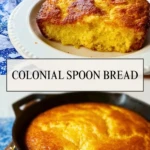
There’s a kind of warmth you only get from spoon bread. It’s soft and custardy, almost like a souffle but with the hearty comfort of cornbread. This version? It’s built on the techniques passed down in Southern kitchens but refined through testing for structure, depth, and richness.
I serve this at autumn dinners and winter brunches. It’s just the kind of side that bridges a roasted main dish with greens or even holds its own next to a smoked ham. What makes it memorable is its contrast: golden top, tender interior, and a deep corn flavor rounded out by butter and cream.
You’ll see how the separation of eggs, the ratio of cornmeal to dairy, and the preheated skillet all come together here. This is not a dry, crumbly cornbread substitute. It’s soft enough for a spoon, structured enough to slice.
“It came out with the most beautiful crust and just melts in your mouth. My family asked for seconds before I even sat down!” – Margie W., made my recipe for Thanksgiving.

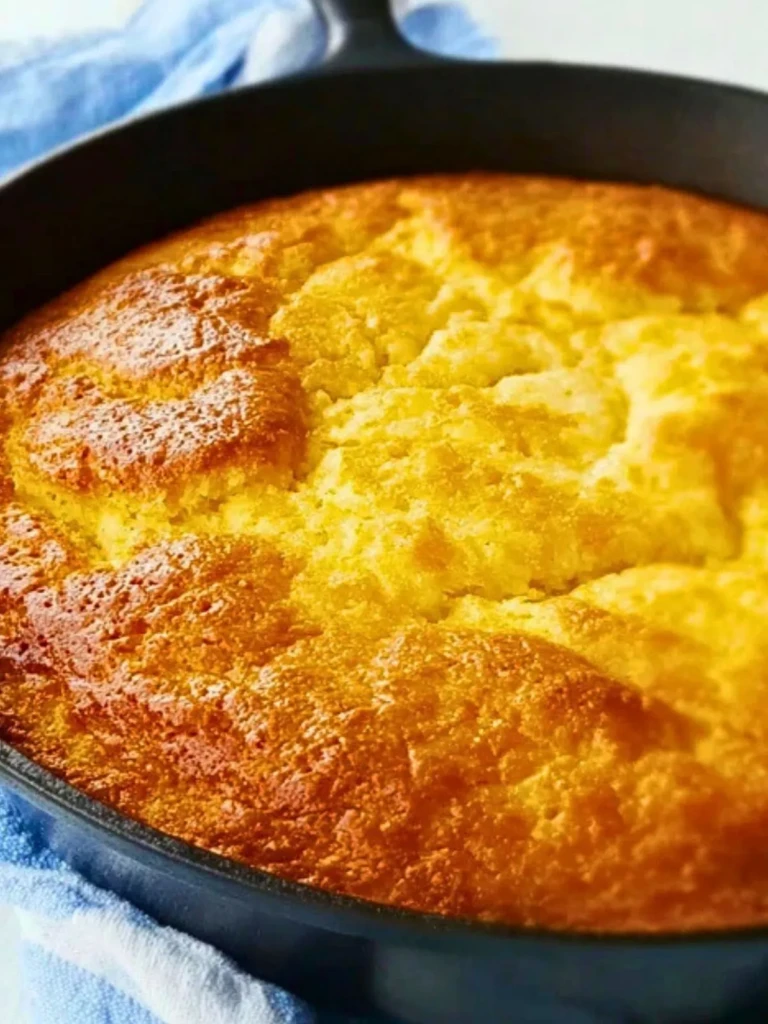
What Makes This Colonial Spoon Bread Stand Out
Most spoon bread recipes lean into one of two camps: either they’re too eggy, almost like a dense quiche, or they end up overly loose and soggy. This one balances both textures to land somewhere you actually want to eat—creamy, but not limp. I’ve calibrated the egg-to-dairy ratio so it sets gently without stiffening.
The layered components matter here. The cornmeal is simmered with milk to bloom its flavor, while whipped egg whites are folded in to provide that signature lift. No shortcuts. That’s what makes this version different from quick-mixed recipes that stay flat and dull.
Skill-wise, this is surprisingly approachable. If you can whip egg whites to soft peaks and fold them in without deflating everything, you can master this dish. I’ve taught this recipe to beginners who now make it on their own for potlucks and family dinners.
I use a 10-inch cast iron skillet, preheated, to give the edges a beautifully browned crust. Ceramic works too, but doesn’t conduct the same direct heat. Glass will do in a pinch but expect a paler finish. The baking vessel changes the outcome more than you’d expect.
Cornmeal vs. Flour – Which Is Better?
Let’s talk about one of the first decisions you’ll make: cornmeal or cornmeal plus flour. Most spoon bread recipes call for just cornmeal, but some throw in a bit of flour to try to stabilize the structure.
I’ve tested both. Straight cornmeal gives a purer corn flavor and a softer, more custardy result. Adding flour firms up the texture—but at the cost of that melt-in-your-mouth quality. It’s less spoon bread and more cakey cornbread.
In my notes: I used a 3:1 ratio of cornmeal to flour in one batch and found the bite firmer, almost muffin-like. In contrast, the all-cornmeal version stayed silky and soft in the middle with just enough hold to slice. That’s the one I stick with.
I recommend using a medium-grind yellow cornmeal for best flavor and body. Bob’s Red Mill is a consistent winner for me. Fine cornmeal turns gluey; coarse won’t hydrate properly in the cooking step.
Why I Recommend 2 Cups of Whole Milk Plus Cream
Whole milk gives body, but I found that adding 1/2 cup of heavy cream to 1½ cups of whole milk brings just the right richness. I’ve tested all-milk versions, and while they set up fine, the custard-like quality falls a bit flat. The cream adds depth and a more luxurious mouthfeel.
Skim or low-fat milk? Skip it. You’ll lose flavor and structure. If you’re substituting, evaporated milk does better than plant-based options, but nothing beats the combo of whole milk and cream.
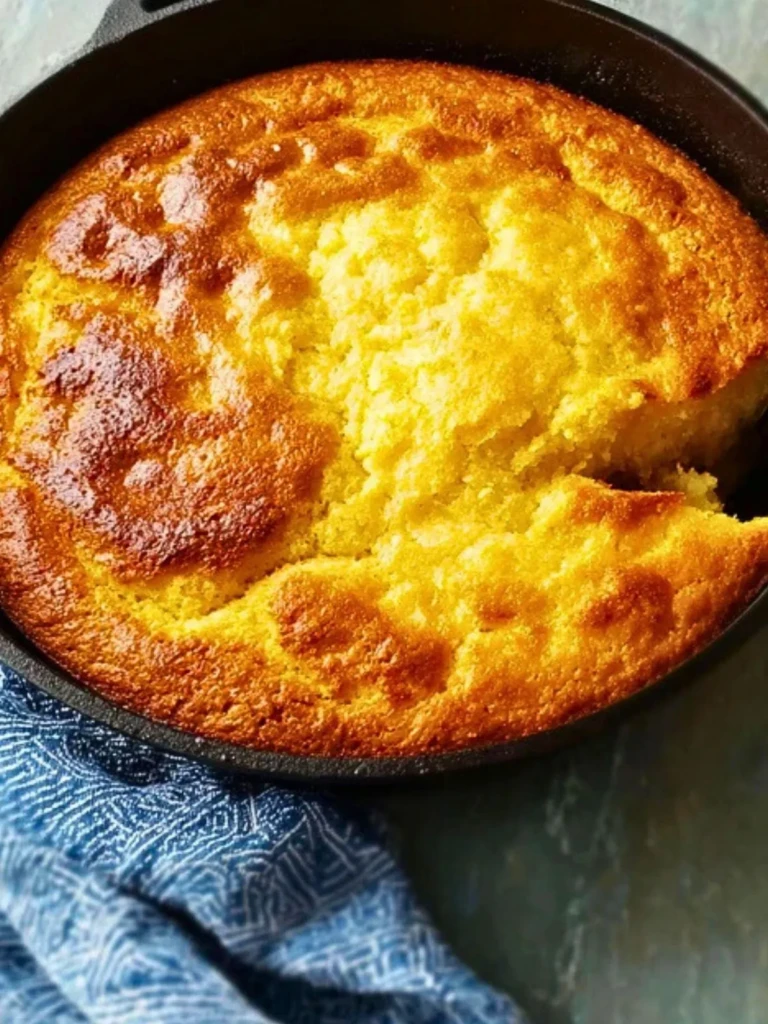
Use the Right Skillet for Best Results
I tested ceramic, cast iron, and glass. The 10-inch Lodge cast iron skillet gave me the best results every time. It preheats evenly, holds the temperature, and gives the bottom and edges that golden, crisp crust that contrasts beautifully with the interior.
Ceramic works in a pinch, but it takes longer to heat, and you won’t get the same texture. Glass cools too quickly after baking, and the spoon bread continues to steam and soften.
Egg Whites: The Hidden Lift and Never Skipped
Separating the eggs and whipping the whites is the move that makes this dish rise. I’ve tried skipping this step in rushed batches—never again. You lose all loft and end up with a dense, flat spoon bread.
I use a stand mixer fitted with the whisk attachment and beat to soft peaks. Over-whipped whites make the batter grainy, so I fold gently with a silicone spatula in three stages. This folding technique keeps the mixture airy without deflating.
How to Bake for a Golden Top and Creamy Center
Start with a preheated 10-inch cast iron skillet. I place it in a 375°F oven while I prep the batter—about 10 minutes is all it needs. This ensures the bottom starts cooking immediately and forms that signature crust.
Once the batter is in, bake at 375°F for 35 to 40 minutes. You’re looking for a domed top that’s golden and lightly cracked. It should jiggle just slightly in the center when nudged. Don’t overbake it—it will continue to set as it rests.
Let it cool in the pan for 10 minutes before serving. That resting time firms up the custard enough to spoon cleanly while keeping the interior tender.
If you bake too long or let it cool completely in a cold kitchen, you’ll lose that creamy texture. It firms up fast—timing matters here more than you’d expect. Use your nose too: when it smells like roasted corn and the top is puffed and browned, it’s ready.
How Long It Lasts and How to Store This Colonial Spoon Bread
This dish is best served warm—about 10 minutes after baking when the texture is set but still soft. I like it as a side to roasted chicken or with a drizzle of honey and butter for brunch.
Leftovers hold well for two days in the fridge. I store them in the skillet itself, wrapped tightly in foil, or transfer to an airtight glass container. To reheat, place in a 300°F oven, covered, for about 10 minutes until warmed through. Microwave works too but softens the crust.
You can freeze spoon bread, though it loses some creaminess. Wrap individual portions tightly in plastic wrap and foil, then reheat straight from frozen at 325°F until hot—usually around 25 minutes.
Other Southern Bakes I Make Just As Often
My buttermilk cornbread leans savory and has a crispy edge when baked in a sizzling pan of bacon fat. I rotate it with my sweet potato spoon bread in the fall—it has the same custard base but adds earthy sweetness. There’s also a cheddar and green onion corn pudding I reach for during spring picnics. And for dessert, I’ve got a bourbon pecan bread pudding that doubles as a showstopper at any dinner.
Pin This Recipe and Come Back to It Anytime
Save it to your “Southern Comfort Sides” or “Fall Brunch Favorites” boards—I keep mine in both. Have you tried it with white cornmeal or swapped in buttermilk? Let me know how you made it yours.
And if it becomes part of your family table, I want to hear about it. Share your photos, your tweaks, and your best pairings. This is a recipe meant to evolve, one spoonful at a time.
Print
Colonial Spoon Bread
- Total Time: 55 minutes
- Yield: 6 servings
- Diet: Vegetarian
Description
A Southern classic with a custardy interior, golden top, and rich corn flavor—this spoon bread is a refined comfort dish that bridges savory mains with old-fashioned warmth. Whipped egg whites and preheated cast iron give it the rise and crust you won’t get from standard cornbread.
Ingredients
2 cups whole milk
0.5 cup heavy cream
0.75 cup medium-grind yellow cornmeal
1 teaspoon kosher salt
2 tablespoons unsalted butter
3 large eggs, separated
1 tablespoon sugar
0.25 teaspoon baking powder
Instructions
1. Preheat oven to 375°F and place a 10-inch cast iron skillet inside to heat.
2. In a saucepan over medium heat, bring milk and cream to a simmer.
3. Gradually whisk in cornmeal and salt; cook until thickened, about 5 minutes.
4. Remove from heat and stir in butter until melted. Let cool 10 minutes.
5. Whisk in egg yolks, sugar, and baking powder.
6. In a stand mixer, beat egg whites to soft peaks.
7. Fold one-third of egg whites into cornmeal base to loosen.
8. Gently fold in remaining egg whites in two additions.
9. Pour batter into hot skillet and bake 35–40 minutes until puffed and golden.
10. Let rest 10 minutes before serving.
Notes
Use a cast iron skillet for the best crust and heat retention.
Don’t skip whipping egg whites—this provides the lift.
Letting the cornmeal mixture cool before adding yolks prevents curdling.
- Prep Time: 15 minutes
- Cook Time: 40 minutes
- Category: Side Dish
- Method: Baked
- Cuisine: Southern
Nutrition
- Serving Size: 1 portion
- Calories: 228
- Sugar: 3g
- Sodium: 320mg
- Fat: 13g
- Saturated Fat: 7g
- Unsaturated Fat: 5g
- Trans Fat: 0g
- Carbohydrates: 21g
- Fiber: 1g
- Protein: 6g
- Cholesterol: 110mg
Keywords: spoon bread, Southern spoonbread, colonial spoonbread