
 Mia McKenny
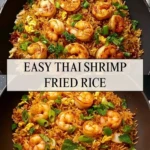
Thai Shrimp Fried Rice is one of the most accessible, flavor-packed meals you can master at home with little effort and big rewards. If you’ve been hesitant to make fried rice because you worry it’ll be greasy, bland, or soggy, this method will change that. With a few smart techniques and the right ingredients, you’ll learn how to achieve that perfect balance of savory, lightly smoky rice with succulent shrimp, crisp vegetables, and just the right amount of heat.
What sets this recipe apart is how well it captures the bright umami depth of Thai cooking while remaining flexible and quick. Compared to takeout versions, this homemade fried rice is lighter, more aromatic, and noticeably fresher. It sits confidently between a weeknight staple and a dish worthy of a casual dinner gathering.
Many fried rice recipes suffer from overcooked shrimp or under-seasoned rice. Here, every element is calibrated: the shrimp are just-seared for tenderness, the rice is dry enough to fry up crisp-edged, and the seasonings bring a complex depth without overwhelming. Once plated, it delivers that satisfying contrast of textures and a savory-sweet-spicy finish that lingers just enough.
By the end of this recipe, you’ll not only understand how to stir-fry like a pro, but you’ll also have the confidence to tweak the flavors to your liking. When you bring this Easy Thai Shrimp Fried Rice to the table, you’ll have a dish that earns instant requests for seconds.

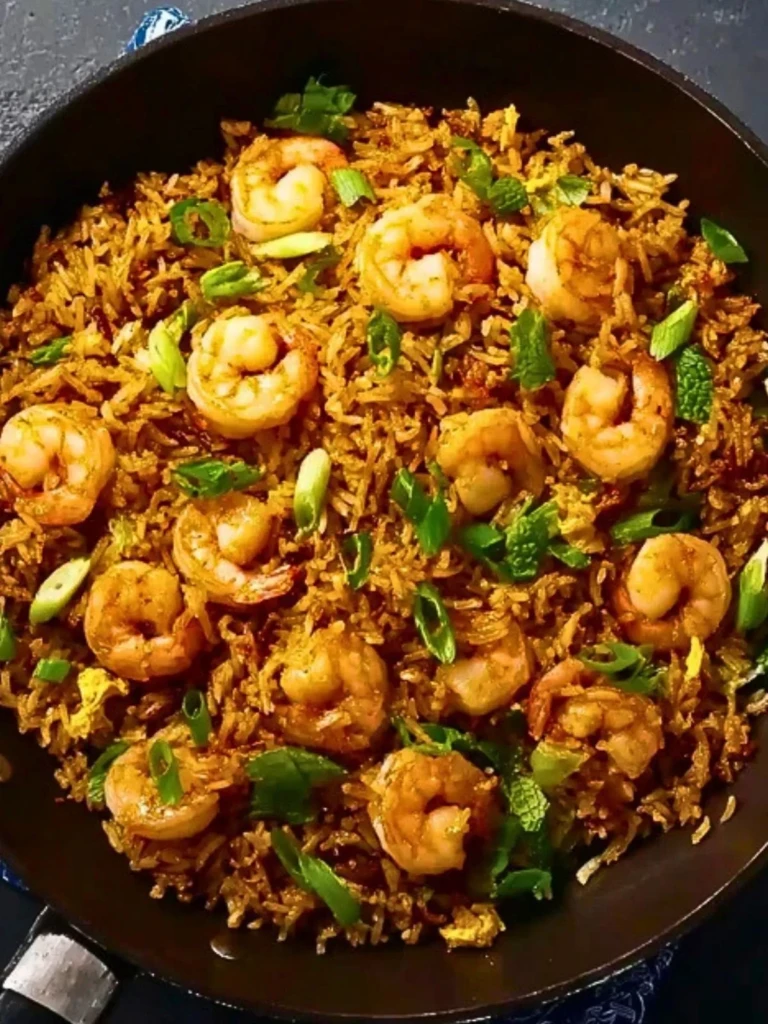
Ingredients for the Easy Thai Shrimp Fried Rice
The foundation of great fried rice is its structure: rice, protein, aromatics, vegetables, and sauce. Each plays a role, and getting them right is what elevates a good fried rice to a great one.
It all starts with the rice. Day-old jasmine rice is the standard here because of its slightly dry, separated grains and delicate floral aroma. Freshly cooked rice can be too soft and clump under heat, while jasmine provides the signature texture of Thai fried rice: fluffy with toasted bits throughout. If you’re cooking rice the same day, spread it on a baking sheet and chill it uncovered for an hour to mimic that dry texture.
The shrimp should be raw, peeled, and deveined—medium or large size works best. They cook quickly and remain juicy. Smaller shrimp risk overcooking, while larger ones might not integrate as evenly into the rice. Flash-searing the shrimp separately helps maintain their tenderness and lets you control doneness precisely.
Eggs add richness and structure, and I recommend lightly beating them with a pinch of salt before scrambling them in the wok. This creates small golden curds that weave into the rice without dominating it.
Aromatics are essential: garlic and green onions form the flavor base. Garlic infuses the oil first, and scallions are added at the end for brightness. Shallots or red onion can work in a pinch but won’t deliver the same layered effect.
For vegetables, Thai basil and chopped leafy greens (like bok choy or Chinese broccoli) give balance and freshness. You can substitute with baby spinach or even chopped napa cabbage. These greens wilt quickly and take on the sauce beautifully.
The sauce is what transforms the dish. A blend of light soy sauce, fish sauce, oyster sauce, and a touch of sugar creates a savory, caramel-like glaze. Thai chili paste or a minced fresh chili adds heat. Each element has a purpose: fish sauce for deep umami, soy for saltiness, oyster sauce for body, and sugar to round it all out. Testing showed that using all four created the most balanced and deeply flavored rice.
A final drizzle of sesame oil or a squeeze of lime brightens the dish and enhances its aroma. Crushed peanuts or fried shallots can add an extra layer of texture for those who want a little more complexity.
Choosing Between Fresh Rice and Day-Old Rice
The decision to use fresh or day-old rice makes a significant difference in the final outcome of your Thai Shrimp Fried Rice. I tested both, and the results were stark enough that it’s worth explaining why day-old rice almost always wins.
Freshly cooked rice, especially if it’s still warm or steamy, holds a lot of surface moisture. When added to a hot wok, it tends to steam rather than fry, resulting in a softer texture and sometimes mushy clumps. Even if the flavor is there, the texture can feel heavy and unbalanced.
Day-old rice, especially jasmine, loses some of that surface moisture as it rests in the fridge. That dryness is precisely what makes it ideal for stir-frying—each grain fries up cleanly, giving you that coveted separation and light crispness. The grains take on sauce better and develop slightly toasty edges in a hot wok.
If you’re in a time pinch, you can mimic day-old rice by spreading freshly cooked rice on a large sheet pan and letting it cool in the fridge for 30 to 60 minutes, uncovered. It won’t be quite as ideal as overnight rice, but it’s a worthy shortcut that avoids the soggy pitfalls of using hot rice.
For cooks making this as a spontaneous weeknight dinner, this method bridges the gap between flavor and convenience. If you’re preparing ahead, always make an extra batch of jasmine rice the night before and chill it—you’ll thank yourself when dinner comes together in minutes.
The Stir-Fry Method That Protects the Texture
The true magic of Thai Shrimp Fried Rice lies in the stir-fry technique—and the key to success is understanding heat, timing, and sequencing. Stir-frying in a wok or a wide, high-sided skillet at high heat creates the defining characteristics of this dish: smoky edges, separated grains, and tender shrimp.
The first step is to heat your wok until it’s just shy of smoking. This allows the oil to shimmer and coat the pan instantly, preventing sticking. Garlic goes in first, but only briefly—overcooking it can add bitterness. Once the garlic is fragrant, the shrimp follow, getting a quick sear on each side before being removed. This prevents them from going rubbery later.
Adding eggs directly into the empty space in the wok and scrambling them separately gives you golden, fluffy bites rather than a homogenous mix. Once set, the rice is added and quickly pressed and tossed to reheat and absorb the flavors.
High heat helps evaporate any residual moisture in the rice, allowing the grains to fry rather than steam. This is where many cooks go wrong: if the wok isn’t hot enough, the rice clumps and becomes sticky. By keeping the rice moving in the wok and giving it a few deliberate pauses to crisp on the bottom, you get that slightly chewy, golden character that defines well-made Thai fried rice.
The sauces are added last to prevent burning and to coat the rice evenly. This sequence ensures the shrimp stay juicy, the rice remains distinct, and the flavors integrate without becoming greasy or muddy. It’s the difference between something that tastes like takeout and something that exceeds it.
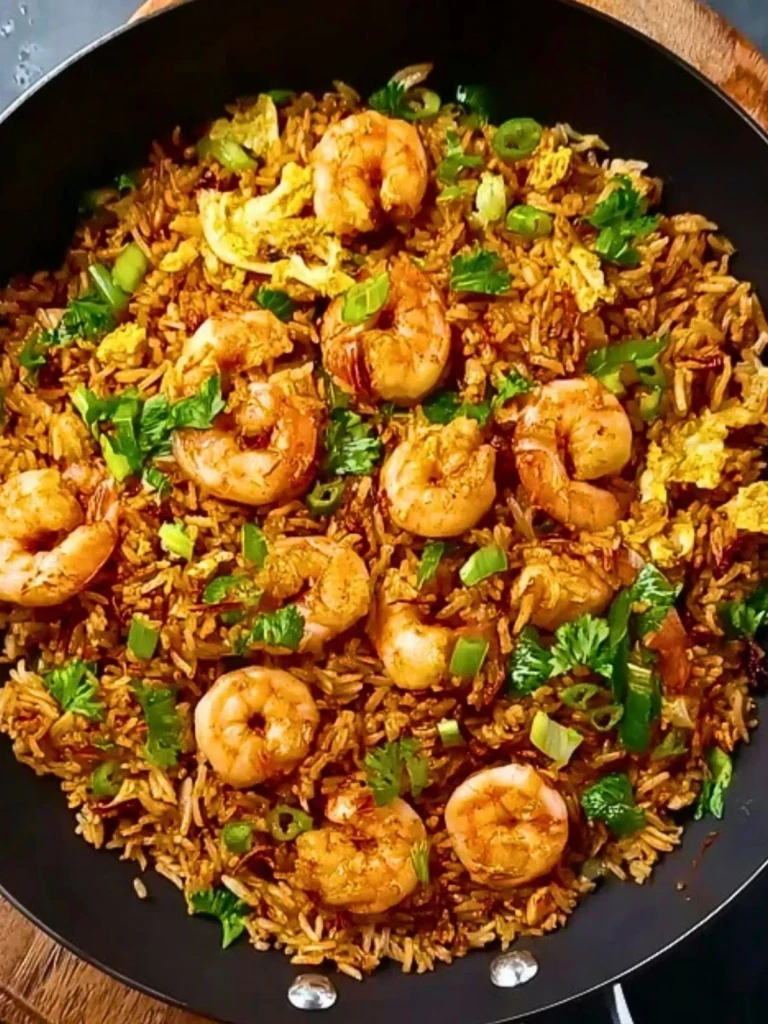
Serving and Storing Easy Thai Shrimp Fried Rice
For presentation, serve this fried rice hot from the wok with a few extra scallions sprinkled over the top and a fresh lime wedge on the side. The lime isn’t just decorative—it adds a clean acidic note that wakes up the savory flavors. A light garnish of chopped cilantro or crushed peanuts can also bring a welcome contrast in color and texture.
This dish shines when served immediately, but it also holds up well for leftovers. Because of the rice’s dry texture and the absence of heavily watery vegetables, it reheats evenly without turning soggy. The key is to reheat in a skillet over medium-high heat rather than in the microwave. A splash of water or stock can help loosen the rice as it warms, restoring its softness while keeping the edges crisp.
If you want to prep ahead, you can cook the rice and store it refrigerated up to 2 days before stir-frying. The shrimp, if fresh, can be peeled and deveined in advance and stored in a sealed container with a bit of salt to enhance flavor. Scrambled eggs can be made just before serving for best texture.
The flavor deepens slightly after a day in the fridge, making this a good option for make-ahead meals or next-day lunches. While best fresh, it retains its appeal surprisingly well, similar to how Thai Basil Chicken or Pineapple Fried Rice performs after a rest period. This recipe fits beautifully into meal prep routines without sacrificing taste or texture.
A Quick Note on Comparisons With Other Fried Rice Recipes
Compared to Chinese-style or Japanese fried rice, this Thai version leans heavily into bold umami with touches of sweetness and a subtle heat. While Chinese fried rice often emphasizes soy and sesame flavors, and Japanese versions go lighter with neutral oils and minimal sauces, Thai fried rice is more aromatic and saucy—without becoming heavy.
What makes this version stand out is the layering of flavors from fish sauce, oyster sauce, and chili, all balanced by the slight sweetness and sharp lime at the end. The inclusion of Thai basil or leafy greens adds herbal notes often absent in other styles. Readers often say it tastes more complex and satisfying than what they expect from such a short ingredient list.
This recipe also favors a slightly smokier stir-fry, thanks to higher wok heat and the use of day-old jasmine rice. It positions itself as a comfort meal with flair—not too traditional, not too modern, but reliably crave-worthy.
If you’re familiar with classic shrimp fried rice or pineapple fried rice, this dish falls in between: deeply savory but more restrained than the sweeter pineapple version, and more herbaceous than the standard shrimp variant. It’s that balance that keeps people returning to this as a go-to meal when flavor and speed are equally essential.
Print
Easy Thai Shrimp Fried Rice – Bold, Fragrant, and Fast
- Total Time: 25 minutes
- Yield: 4 servings
Description
Bold, fragrant, and fast Thai Shrimp Fried Rice is the ultimate stir-fry for home cooks. With juicy shrimp, jasmine rice, and a savory Thai sauce, this recipe delivers restaurant-style flavor in under 30 minutes.
Ingredients
3 cups day-old cooked jasmine rice
1 pound raw shrimp, peeled and deveined
2 tablespoons neutral oil (like vegetable or canola)
3 large eggs, lightly beaten with a pinch of salt
4 cloves garlic, minced
4 green onions, sliced (whites and greens separated)
1 cup chopped leafy greens (bok choy, Chinese broccoli, or spinach)
1/4 cup Thai basil leaves (optional)
1 tablespoon light soy sauce
1 tablespoon fish sauce
1 tablespoon oyster sauce
1 teaspoon sugar
1 teaspoon Thai chili paste or 1 minced red chili (adjust to taste)
1 teaspoon sesame oil
1 lime, cut into wedges for serving
1 tablespoon chopped cilantro or crushed peanuts for garnish (optional)
Instructions
1. Heat a wok or large skillet over high heat until nearly smoking. Add oil and swirl to coat.
2. Add minced garlic and stir-fry for 10–15 seconds until fragrant.
3. Add shrimp in a single layer and sear for 1–2 minutes per side until just cooked. Remove and set aside.
4. Add the beaten eggs to the wok and scramble until softly set. Push to one side.
5. Add the rice to the wok, breaking it apart and tossing with the eggs.
6. Return the shrimp to the wok along with leafy greens and Thai basil, if using.
7. Pour in soy sauce, fish sauce, oyster sauce, sugar, and chili paste. Stir-fry to evenly coat.
8. Toss in green onion greens and drizzle with sesame oil. Stir a final time to combine.
9. Serve hot with lime wedges and optional cilantro or peanuts.
Notes
Day-old rice fries better because it has reduced moisture, helping prevent clumps.
Flash-cooking the shrimp separately keeps them tender and prevents overcooking.
Scramble the eggs before combining to preserve texture and golden color.
- Prep Time: 15 minutes
- Cook Time: 10 minutes
- Category: Main Dish
- Method: Stir-Fry
- Cuisine: Thai
Nutrition
- Serving Size: 1.5 cups
- Calories: 420
- Sugar: 4g
- Sodium: 830mg
- Fat: 14g
- Saturated Fat: 3g
- Unsaturated Fat: 9g
- Trans Fat: 0g
- Carbohydrates: 45g
- Fiber: 2g
- Protein: 25g
- Cholesterol: 210mg
Keywords: shrimp fried rice, Thai fried rice, easy stir-fry, weeknight dinner