
 Mia McKenny

There’s a certain confidence that comes from mastering a pizza sauce that works every time. This fan favorite pizza sauce is designed for consistency, flavor depth, and full flexibility—no stovetop simmering, no long ingredient list, and no complicated steps. Just a bold, herby, slightly sweet tomato sauce that clings beautifully to dough and stands up to bubbling mozzarella.
You’ll learn how to build flavor using pantry basics, the secret to getting the perfect balance between acidity and sweetness, and how to tailor thickness depending on the crust style you’re using. Where many homemade pizza sauces fall flat—either too watery, too acidic, or overpowered by herbs—this one strikes a true pizzeria balance that complements rather than competes with your toppings.
In the world of red sauces, this one leans fully into pizza-specific needs. It’s not a marinara repurposed or a pasta sauce pretending to fit in. This is a sauce built from the ground up for pizza night, whether that means New York-style rounds, thick Sicilian slabs, or cast iron pan pies.
Bringing this to the table means a deeply satisfying pizza that tastes like it came from your favorite local spot. The crust gets its partner in flavor, the cheese gets its contrast, and every bite delivers a zingy, tomato-forward flavor with just the right body to hold it all together.

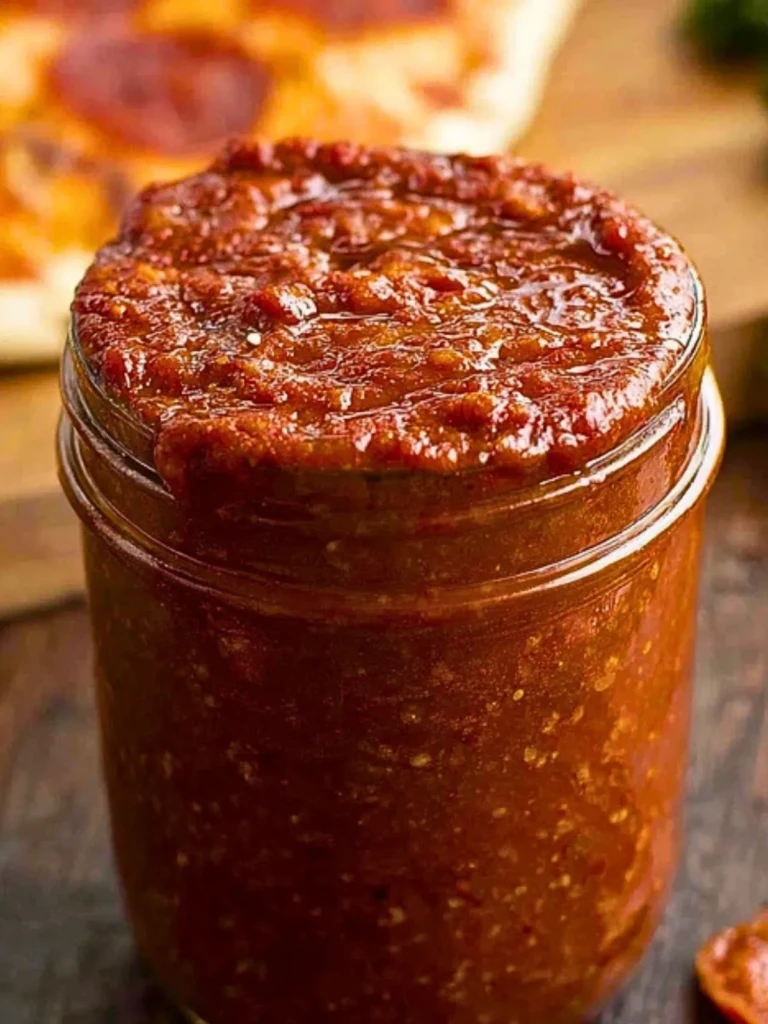
Ingredients for the Fan Favorite Pizza Sauce
The foundation of this sauce is crushed tomatoes, and choosing the right type is everything. I rely on canned crushed tomatoes with basil included, not only for the slightly sweet flavor but also for the ideal pulpy texture that hugs pizza dough. San Marzano-style tomatoes bring superior flavor depth and a touch of natural sweetness that reduces the need for added sugar.
To round out the base, I incorporate tomato paste. This isn’t just for body—though it absolutely thickens the sauce—but for concentrated umami and a richer tomato backbone. I tested versions without it and found them thin and lacking punch, especially after baking.
Dried oregano and dried basil form the herb backbone. I prefer dried here over fresh because they hold up better in the oven and infuse more evenly through the sauce over time. Crushed red pepper flakes introduce a subtle background heat—just enough to notice, never enough to dominate. Garlic powder and onion powder are my go-to aromatics in this case, chosen over fresh for their ability to blend seamlessly without harshness or the risk of burning in a hot oven.
A small amount of sugar is added to balance the acidity, especially if your tomatoes lean sharper. I recommend starting with just a pinch and adjusting to taste depending on the brand of tomatoes you use. Kosher salt is essential here, both for flavor clarity and to pull the other ingredients together. A touch of olive oil enriches the texture and helps carry the herbs across the palate, giving the final sauce a glossy finish.
This combination of ingredients results in a sauce that behaves predictably and tastes full-bodied without overshadowing your toppings. It’s built for pizza—not spaghetti, not dipping sticks—and it shows in every bite.
Choosing Between Crushed Tomatoes and Whole Peeled Tomatoes
When it comes to the base of a great pizza sauce, the debate often centers on whether to use crushed tomatoes or whole peeled ones. Through testing, I’ve found that crushed tomatoes offer a texture and consistency that is simply more reliable straight from the can. Their naturally pulpy, spoonable body means they cling to the dough evenly and don’t require pre-cooking or additional blending.
Whole peeled tomatoes, especially those labeled San Marzano, do carry outstanding flavor and are often slightly less processed. But they require an extra step: either crushing by hand or pulsing in a food processor. This introduces variability. Depending on the brand and how thoroughly they’re processed, the sauce can end up too watery or with inconsistent chunks, which affects how it bakes.
If you’re aiming for a Neapolitan-style sauce with a looser texture and you’re comfortable adjusting the water content manually, whole peeled tomatoes are a solid option. For most home cooks making classic pizza or pan-style pies, crushed tomatoes deliver consistent results without the need for extra work or cleanup.
Cost and availability also play a role. Crushed tomatoes are widely available and tend to be slightly more affordable than imported whole peeled varieties. In a sauce that gets layered with cheese and toppings, the balanced flavor and texture of crushed tomatoes consistently wins in both ease and end result.
The No-Cook Method That Protects the Fresh Tomato Flavor
One of the defining techniques behind this pizza sauce is that it remains uncooked before going on the dough. This may seem counterintuitive if you’re used to simmering sauces, but the reason is both scientific and practical. Tomatoes have volatile flavor compounds that begin to degrade with prolonged heat. By skipping the stove and letting the sauce cook directly in the oven on the pizza, those fresh, bright flavors stay intact.
The no-cook method also means less chance of over-reducing the sauce, which can lead to overly thick or paste-like results. When baked on pizza, the sauce has just the right time to bloom and meld with the cheese and toppings. It thickens slightly as it cooks, clinging to the crust without separating or weeping.
Many cooks worry that skipping the simmer means missing out on depth, but the concentrated tomato paste, well-balanced dried herbs, and slow melding in the oven provide all the necessary complexity. Visually, the sauce should be thick but spreadable—you should see streaks hold when dragged across dough, not puddles or run-off.
Common mistakes include over-blending, which can make the texture too loose, or under-salting, which makes the flavor feel flat after baking. Trust the technique and taste your sauce before it ever hits the dough. It should already taste like pizza in a spoonful.
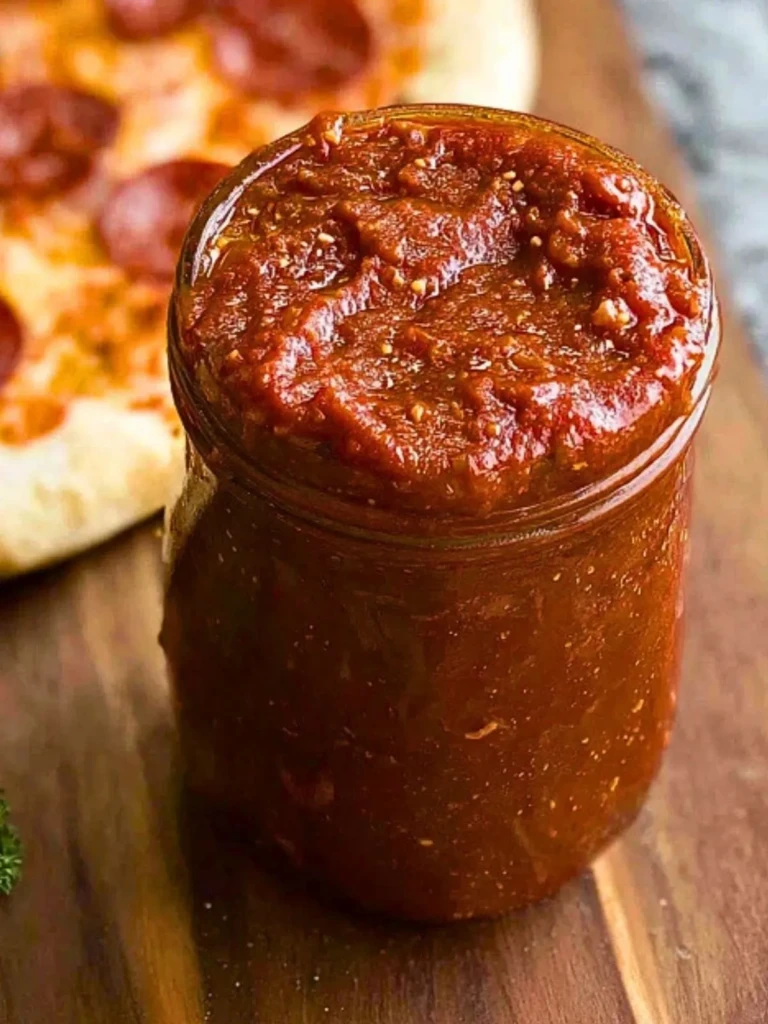
Serving and Storing Fan Favorite Pizza Sauce
When it comes to serving, this pizza sauce does more than just sit beneath cheese. It anchors every topping and acts as the flavor foundation of the whole pie. For a classic round pizza, I spread about ⅓ cup of sauce per 12-inch base. If you’re working with Sicilian or Detroit-style pies, a slightly thicker layer brings out the sauce’s richness. Thin-crust or Neapolitan-style pizzas benefit from a lighter touch to avoid overpowering their delicate dough.
From a presentation standpoint, the sauce’s deep red hue and herb-flecked finish make every pizza look handmade and professional. It spreads smoothly, doesn’t bleed excessively, and holds toppings in place beautifully during bake.
One of the biggest advantages is that this sauce stores like a dream. Because it’s uncooked, it stays vibrant in the refrigerator for up to a week without developing a cooked-down flavor. Stored in an airtight container, the texture remains intact and the aromatics continue to marry, deepening the flavor profile day by day. For longer storage, it freezes extremely well. I portion it into small freezer-safe jars or resealable bags, laying them flat for easy stacking and quick defrosting.
If you’re prepping for a party or planning weekly pizza nights, this sauce is an ideal make-ahead element. It saves time, ensures consistency, and makes you feel fully prepared with just one spoonful.
A Quick Note on Comparisons With Other Pizza Sauces
Compared to traditional cooked sauces or those repurposed from pasta night, this pizza-specific sauce stands apart in both texture and focus. Classic marinara or spaghetti sauces often include extra olive oil, sautéed aromatics, or more aggressive seasoning—all of which can overwhelm pizza dough and clash with delicate toppings. This sauce is crafted specifically for high-heat baking and balanced topping combinations.
Where some New York-style sauces go heavy on oregano or sugar, this version opts for restraint. It pulls inspiration from pizzeria techniques but adapts them for home kitchens and modern palates. It lands squarely between old-school robustness and clean, tomato-forward brightness.
Reader responses tend to reflect surprise at how much flavor comes through with so little effort. Many home cooks find this to be their go-to after years of trial and error with overly thick or bland sauces. It’s often praised for how it enhances, rather than competes with, a good crust.
This recipe is especially advantageous when you’re working with high-quality dough or artisan toppings. It steps back just enough to let the stars of the pizza shine, while still asserting a clear tomato character in every bite. It’s also perfect for those transitioning from store-bought to homemade—offering a noticeable improvement without added complexity.
Print
Fan Favorite Pizza Sauce – Rich, Balanced, and Ready for Any Crust
- Total Time: 5 minutes
- Yield: About 3 cups
- Diet: Vegetarian
Description
This no-cook, pizzeria-style pizza sauce is rich, herby, and perfectly balanced—ready to spread on any crust from New York rounds to deep-dish pans. Built for flavor and consistency, it enhances your toppings and stores beautifully.
Ingredients
1 can (28 ounces) crushed tomatoes with basil
2 tablespoons tomato paste
1 teaspoon dried oregano
1 teaspoon dried basil
1/4 teaspoon crushed red pepper flakes
1/2 teaspoon garlic powder
1/2 teaspoon onion powder
1/2 teaspoon kosher salt
1/2 teaspoon sugar (adjust to taste)
1 tablespoon olive oil
Instructions
1. In a mixing bowl, combine crushed tomatoes and tomato paste until smooth.
2. Add dried oregano, dried basil, crushed red pepper flakes, garlic powder, and onion powder.
3. Stir in kosher salt and sugar, tasting and adjusting sweetness based on tomato acidity.
4. Add olive oil and stir until the sauce is fully combined and glossy.
5. Use immediately on pizza dough or store in an airtight container in the refrigerator.
6. To freeze, portion into freezer-safe containers or bags and lay flat.
7. No cooking needed; the sauce will bake perfectly with your pizza in the oven.
Notes
Use high-quality crushed tomatoes for the best flavor and consistency.
Taste before using—the sauce should already taste like pizza in a spoonful.
For thin crusts, use a light layer; for pan pizzas, go a bit heavier.
- Prep Time: 5 minutes
- Cook Time: 0 minutes
- Category: Sauce
- Method: No-Cook
- Cuisine: Italian-American
Nutrition
- Serving Size: 1/4 cup
- Calories: 60
- Sugar: 3g
- Sodium: 210mg
- Fat: 3.5g
- Saturated Fat: 0.5g
- Unsaturated Fat: 2.5g
- Trans Fat: 0g
- Carbohydrates: 6g
- Fiber: 2g
- Protein: 1g
- Cholesterol: 0mg
Keywords: pizza sauce, no cook, homemade, freezer friendly