
 Mia McKenny
A Four Cheese Frittata is one of those dishes that works hard for you in the kitchen: simple to prepare, endlessly flexible, and bursting with flavor that feels far more indulgent than the effort required. Whether you need a centerpiece for brunch or a weeknight solution that leans on what you already have in the fridge, this recipe is designed to deliver both reliability and satisfaction.
What you’ll learn here is more than just the standard method for cooking eggs in the oven. You’ll gain a deep understanding of how cheese behaves in eggs, how to layer textures for the perfect bite, and how to avoid the all-too-common pitfalls of rubbery or bland frittatas. With the right choices and techniques, a frittata can rival a quiche in richness without the need for a crust, or it can stand beside an omelet in convenience without sacrificing structure.
Unlike many frittatas that lean heavily into overcomplicated fillings or underseasoned eggs, this version keeps the spotlight where it belongs: on the cheese. And not just one cheese, but four complementary types that melt, stretch, and flavor the dish in distinctive ways. Each one has a specific role, and understanding their chemistry transforms the frittata from basic to exceptional.
Expect a deeply golden, slightly puffed surface with savory edges and a custardy, cheese-threaded center. Bringing it to the table means offering something hearty yet refined, comforting yet elegant—a dish that satisfies across seasons and settings.

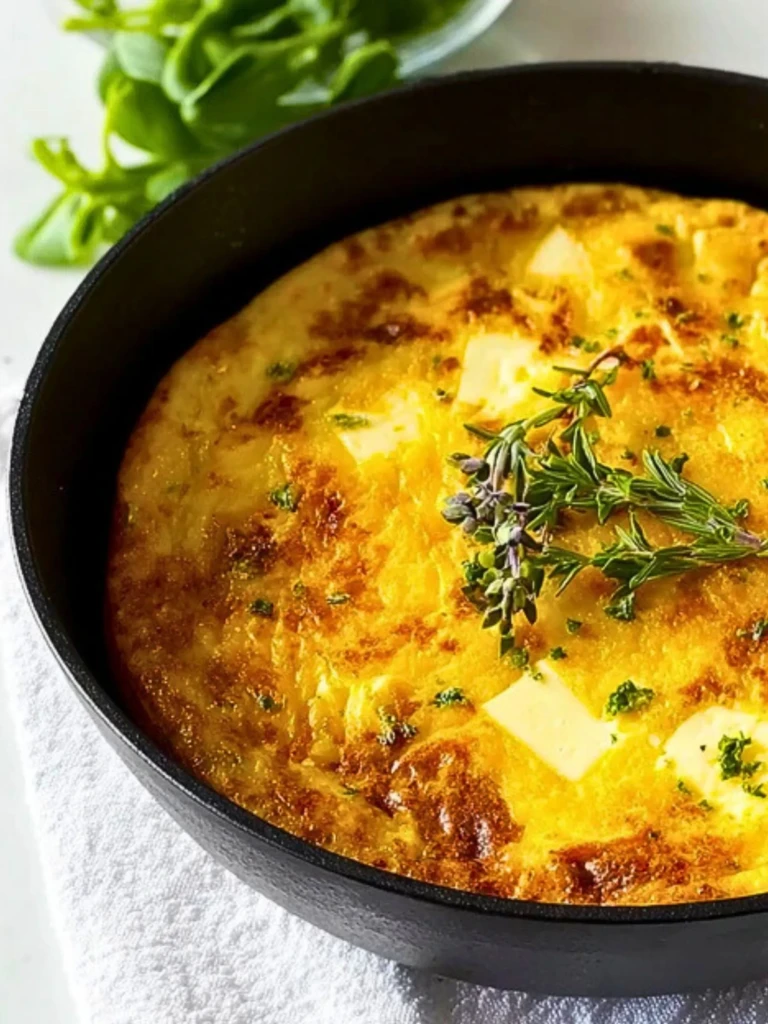
Ingredients for the Four Cheese Frittata
The foundation of any good frittata is its eggs, and for this version, we use large eggs for their ideal ratio of yolk to white, yielding a fluffy, creamy interior. A splash of heavy cream is whisked in to enrich the base, offering body and a subtle dairy sweetness that balances the saltiness of the cheeses. Milk can work in a pinch, but cream gives the most luxurious mouthfeel.
Now to the cheeses, which are the star performers. Sharp cheddar brings a well-aged tang and golden color that permeates the whole dish. Mozzarella, with its signature melt and stretch, delivers the gooey quality people love in a hot frittata. Parmesan, finely grated, acts almost like a seasoning—adding umami depth and a touch of salt. And cubes of creamy goat cheese punctuate the custard with soft, tangy richness that doesn’t fully melt, offering small bites of contrast.
A pinch of salt and freshly ground black pepper keep the flavor balanced, while fresh herbs like chives, parsley, or oregano—used sparingly—can lift the richness and offer a touch of brightness. You can add sautéed onions or garlic for extra savoriness, though the clean cheese focus doesn’t require them.
I tested both fresh and pre-shredded cheeses, and while pre-shredded can save time, it often contains anti-caking agents that interfere with melting. For the best texture, grate your cheeses fresh. For the goat cheese, use one that’s firm enough to cube but still creamy—a young chèvre works perfectly.
For cookware, a well-seasoned cast iron or oven-safe nonstick skillet ensures the frittata releases easily and browns evenly. And if you need to adjust for dietary needs, this frittata takes well to plant-based dairy alternatives, so long as they melt and bind similarly.
Choosing Between Cream and Milk
When it comes to frittata texture, the choice between heavy cream and milk is one of the most impactful decisions you’ll make. Through multiple trials, I found that heavy cream produces a silkier, more custard-like texture that retains moisture even after cooling. It suspends the cheeses more evenly, creating a structured, cohesive bite every time.
Milk, on the other hand, yields a slightly lighter result that still works well, particularly if you prefer a leaner profile. Whole milk offers the best results in this category, though even 2% can function in a pinch. However, milk-based frittatas are more prone to weeping or developing a spongier texture if overbaked.
For brunches or make-ahead meals where the frittata might sit before serving, cream holds up better and delivers more consistent reheating. For quick weekday meals or when calorie-conscious cooking is the priority, milk makes a reasonable substitute.
Cost-wise, milk is obviously more budget-friendly and widely available, while cream, though richer, is used in relatively small amounts here, making the upgrade affordable for most situations.
This principle mirrors broader egg-based recipes: think of quiche versus omelet. The cream-based approach gives quiche-like elegance; the milk version aligns more closely with classic scrambled egg or omelet textures. Either works—just choose based on how you want your frittata to feel and function.
The Oven Finish That Protects the Custard
The most effective way to protect the delicate structure of a frittata is to finish it in the oven rather than attempting to cook it entirely on the stovetop. Stovetop-only methods often lead to uneven cooking: the bottom can burn before the center sets, and the top remains pale and undercooked. By starting the cooking process on the stove and finishing in a moderate oven, we ensure gentle, all-around heat that sets the custard without overcoagulating the eggs.
Once the eggs are poured into the skillet and stirred slightly to begin setting, transferring the pan to a 350°F oven gives the frittata time to puff slightly and firm up with control. The residual heat from the pan promotes gentle bottom browning, while the oven ensures the top becomes golden and fully set without drying out.
The cues for doneness are subtle but clear: the edges should pull slightly away from the pan and develop light browning, while the center should have a slight jiggle when shaken. Overbaking is the most common mistake—it leads to rubbery texture and weeping. If you’re unsure, err on the side of less time; the carryover heat will finish the job as it rests.
This method mirrors techniques used in custard pies or baked omelets, where uniform heat is critical. And it’s worth noting: a broiler can be used at the very end for added color, but only if monitored closely to avoid overbrowning.
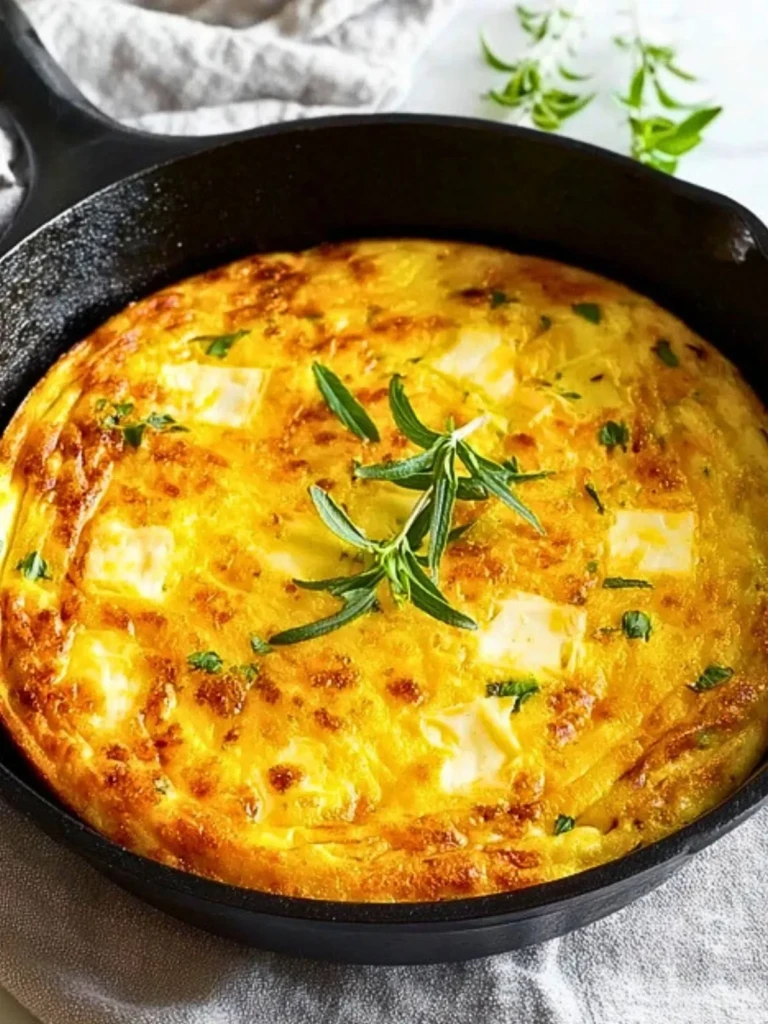
Serving and Storing Four Cheese Frittata
When it comes time to serve the frittata, a brief rest after baking is essential. Letting it cool for 5 to 10 minutes allows the custard to settle, making for cleaner slices and a more refined texture. You can serve it directly from the skillet for a rustic presentation or slide it onto a cutting board and slice it into wedges for a more polished approach.
Fresh herbs scattered just before serving add color and aromatic lift, particularly if the dish has been made ahead. A light drizzle of olive oil or a spoonful of tangy yogurt on the side can complement the richness of the cheeses.
One of the biggest advantages of this frittata is its excellent holding quality. It stores beautifully in the refrigerator for up to four days, tightly covered. Reheat gently in a low oven or enjoy at room temperature, where its flavor and texture remain intact. Unlike many egg dishes, this frittata does not suffer dramatically from refrigeration.
It also makes a smart make-ahead brunch item. Bake it the night before, refrigerate it in the pan, and rewarm slowly in the oven the next morning. The structure holds firm, and the cheese flavor continues to develop, making it even better the second day.
These storage principles align with other egg-and-dairy-based dishes like crustless quiches or strata. And just like those, the key is gentle reheating and airtight storage to preserve texture and taste.
A Quick Note on Comparisons With Other Egg-Based Dishes
Compared to a traditional quiche, this Four Cheese Frittata eliminates the crust without losing the indulgence. Where quiche relies on pastry to frame the custard, the frittata lets the cheeses and eggs stand on their own. This positions it closer to a baked omelet, but with more stability and greater make-ahead potential.
Unlike omelets, which must be served immediately and can easily overcook, the frittata holds better over time and is far more forgiving. It also allows for more cheese without overwhelming the structure, which makes it ideal for cheese-forward flavor profiles like this one.
Reader feedback often emphasizes how this frittata delivers on flavor without being fussy. Many appreciate its balance between simplicity and elegance—easy enough for weekday use, special enough for gatherings. Compared to veggie-heavy versions, this one stays focused, making it a hit with cheese lovers and picky eaters alike.
Its situational advantage lies in versatility. It fits brunch tables, lunch boxes, or dinner plates with equal ease. And it pairs with everything from crisp salads to roasted potatoes or even a simple soup, giving it crossover appeal that’s hard to match.
A related recipe that shares its adaptability and cheese-forward appeal is the Broccoli Cheddar Egg Bake. But where that one leans into vegetable bulk, this frittata celebrates dairy in its purest, most indulgent form.
Print
Four Cheese Frittata – Fluffy, Savory, and Cheese-Layered
- Total Time: 30 minutes
- Yield: 6 servings
- Diet: Vegetarian
Description
A fluffy, savory Four Cheese Frittata made with sharp cheddar, mozzarella, parmesan, and creamy goat cheese. Perfect for brunch or dinner, this custardy, golden frittata bakes to perfection and stores beautifully for make-ahead meals.
Ingredients
8 large eggs
1/2 cup heavy cream
1/2 cup shredded sharp cheddar cheese
1/2 cup shredded mozzarella cheese
1/4 cup grated parmesan cheese
1/3 cup cubed goat cheese
1/2 teaspoon salt
1/4 teaspoon freshly ground black pepper
1 tablespoon chopped fresh herbs (such as chives or parsley)
1 tablespoon olive oil (for greasing the pan)
Instructions
1. Preheat the oven to 350°F (175°C).
2. In a large mixing bowl, whisk together the eggs, heavy cream, salt, and pepper until fully combined and slightly frothy.
3. Stir in the cheddar, mozzarella, and parmesan cheeses until evenly distributed.
4. Lightly grease a 10-inch oven-safe skillet with olive oil and heat over medium.
5. Pour the egg mixture into the skillet and let it cook for 2–3 minutes without stirring, just until the edges begin to set.
6. Scatter the cubed goat cheese evenly over the top, then transfer the skillet to the oven.
7. Bake for 18–22 minutes, or until the frittata is puffed, golden, and just set in the center with a slight jiggle.
8. Let it rest for 5–10 minutes before slicing. Garnish with fresh herbs before serving.
Notes
Let the frittata rest before slicing to ensure clean cuts and a stable texture.
Use freshly grated cheese for optimal melting and flavor.
Avoid overbaking to preserve a tender, custard-like consistency.
- Prep Time: 10 minutes
- Cook Time: 20 minutes
- Category: Brunch
- Method: Baked
- Cuisine: American
Nutrition
- Serving Size: 1 slice
- Calories: 285
- Sugar: 1g
- Sodium: 410mg
- Fat: 23g
- Saturated Fat: 11g
- Unsaturated Fat: 10g
- Trans Fat: 0g
- Carbohydrates: 2g
- Fiber: 0g
- Protein: 17g
- Cholesterol: 225mg
Keywords: frittata, cheese frittata, brunch eggs