
 Mia McKenny
It always starts with a chill in the air. The kind of morning when you can see your breath and the leaves crackle under your boots. That’s when I begin thinking about applesauce. Not the store-bought kind, but the one I used to make with my grandmother in her tiny kitchen, where the windows steamed up with the scent of cinnamon and apples. She used to let me stir the pot, carefully reminding me to stay patient and wait for the apples to soften. I’d get a little too eager, always asking, “Is it done yet?”
The request for this applesauce came from my youngest son last fall. He’d tasted a version at a friend’s house and came home insisting it didn’t taste “like ours.” That was enough for me. I pulled out the old enamel pot and gathered a mix of apples—Granny Smith for their tart bite and Fuji for that honeyed softness. That night, the house filled with the warm, spiced aroma that has always felt like home.
I had early failures, of course. The first time I tried making it solo, I added too much water and ended up with something more like apple soup. Another time, I forgot the cinnamon entirely and realized just how much that single spice lifts the entire dish. Over time, I learned to listen to the apples—how they soften, break down, and give up their shape into something comforting.
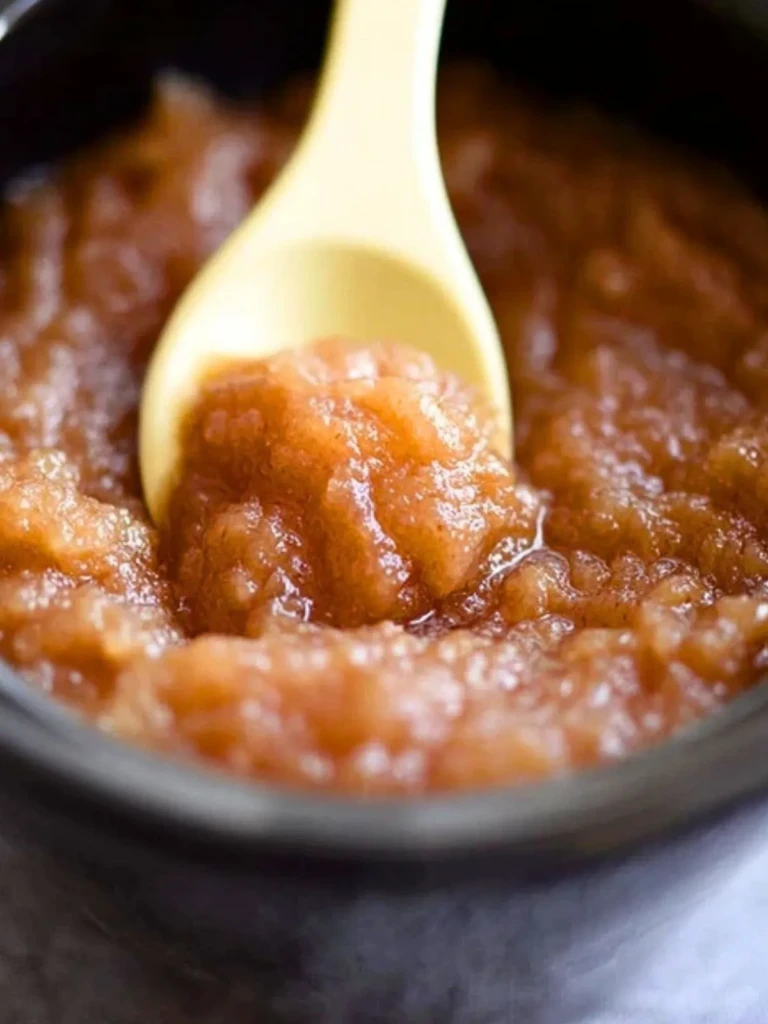
The final version is soft, slightly textured, and warmly spiced with cinnamon and just a touch of nutmeg. I don’t blend it too smooth—I like the small tender chunks that remind me of stirring beside my grandmother. There’s pride in this applesauce. It carries generations in its warmth, and it never lasts long in our fridge.

Ingredient Tips for the Apples
I always start by checking my fruit basket, gently pressing each apple like I saw my mother do. She used to say, “A good applesauce starts with apples that feel like they’re ready to talk to you.” I never really understood what she meant until I began making it myself—how certain apples give in just right under your fingers and release that familiar, faintly sweet smell when you bring them close.
I usually go for a blend. Granny Smith apples give a tart brightness that keeps the sauce from being too cloying, while Fuji or Gala apples bring a natural sweetness that melts into the mixture. My grandmother swore by mixing sweet and tart, and I’ve never strayed from that advice.
Cinnamon is a must—it carries the whole thing home. I use ground cinnamon, never the sticks, because I want it woven in fully. A pinch of nutmeg adds a gentle warmth in the background, like an old song playing softly. If I have a lemon on hand, I add just a touch of juice to brighten everything up, though that wasn’t in Nana’s version.
Over the years, I’ve learned to avoid over-sweetening. When I first started, I thought more sugar meant more comfort. But apples speak for themselves when cooked slowly, and now I add only a touch of brown sugar if I feel it needs depth. I store the spices together in a little wooden box my aunt gave me—a habit that makes the start of each batch feel a bit ceremonial.
Everything gets peeled and cored by hand. I’ve tried shortcuts, but there’s something grounding in the rhythm of it. The soft thud of peels hitting the compost bowl, the crisp snap as the core gives way—it’s all part of the experience.
Cooking Down the Apples
Once the apples are peeled and chopped, I gather them into a heavy-bottomed pot. There’s always a moment of pause here—apples piled up, raw and pale, just waiting. I add a splash of water, just enough to keep things from sticking, and a slow sprinkle of cinnamon and nutmeg. I hold back on sugar until later.
As the pot warms, the scent begins to rise. It starts with the sweetness, then deepens into that rich, spiced perfume that makes the whole house feel like fall. I keep the flame low. My grandmother used to say, “Let it whisper, never shout.” I stir gently with a wooden spoon—always wood—watching as the apples soften and slump.
I don’t use timers. I watch. I listen. The apples foam a little as they start to break down, and I press them lightly against the side of the pot. When they yield without resistance, I know it’s time. If I want it chunkier, I stop here. For a smoother texture, I take a whisk and stir through it slowly, letting it fall into a soft, pudding-like consistency.
There’s a calm that settles in during this process. I think about my kids at school, my husband fixing something out in the garage, the way our family has gathered around bowls of this applesauce for generations. It’s more than cooking—it’s remembering.
Finishing With a Gentle Sweetness
After the apples have softened and the sauce has thickened, that’s when I taste. Some batches need no sugar at all, especially if I’ve used Gala apples. But if it’s leaning too tart, I add a spoonful or two of brown sugar. It melts in quietly and adds a molasses-like depth.
Sometimes I add a tiny bit of salt—just a pinch, to draw everything into balance. And if I’ve used lemon juice, I check that it hasn’t taken over. It should lift, not lead.
I let it sit off the heat for a few minutes before transferring it to jars. The sauce thickens as it cools, and the flavor deepens. That’s always my favorite moment: spoon in hand, the pot still warm, and a little taste before anyone else gets some. It’s not about checking seasoning anymore—it’s about gratitude.
Serving and Personal Reflections
I always serve this applesauce slightly warm, never cold. There’s something tender about the warmth—it softens the flavors and makes each spoonful feel like a quiet hug. When I serve it fresh, I use a wide spoon and scoop it into a little ceramic bowl that’s been in our family for years. It’s chipped on one edge, but I never mind. Somehow, it makes the moment feel more complete.
When I have time, I warm the spoon under hot water. My mother used to do that when we were sick—warm spoon, warm applesauce, a soft blanket on the couch. Those small gestures become big memories.
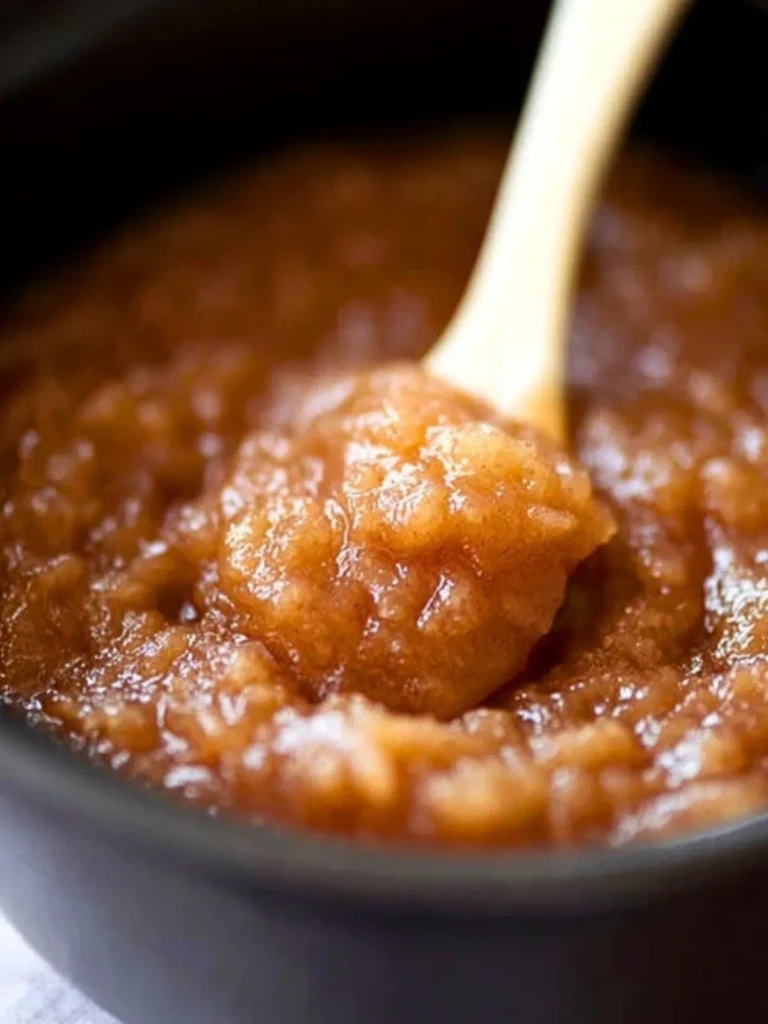
The applesauce is a soft amber color with flecks of cinnamon. The texture is thick but yielding, not quite smooth, but not chunky either. Just right. My daughter likes hers with a drizzle of cream on top—something she picked up from her grandma. My son eats it by the bowlful, straight from the fridge. I prefer mine with a slice of buttered toast, letting the sauce slowly melt into the warm bread.
Every time I make it, I think of the women who made it before me. My grandmother, peeling apples in her apron. My mom, humming in the kitchen. And now me, stirring at the stove with my own children dancing in and out of the room. This applesauce isn’t just food. It’s family, carried forward in the quietest, most nourishing way.
There’s no fancy plating. Just a warm scoop in a familiar bowl. That’s all it needs.
Extra Inspiration: More Cozy Fruit Creations
Sometimes when I’m already peeling apples, I set aside a few extra to make my grandmother’s apple crisp. It uses many of the same ingredients, and I love how the two desserts complement each other—one soft and spiced, the other crisp and buttery. When both are on the table, it feels like a true autumn celebration.
My husband has always been partial to pear sauce, which we started making a few years ago. It’s similar to applesauce but silkier, and a bit more floral. He likes his cold, with a dollop of Greek yogurt on top. I make it when pears are just turning soft and fragrant, usually in early winter.
When my kids were smaller, I used to blend applesauce into muffins. It made them moist and tender, and I felt good knowing there was something wholesome tucked inside. Even now, if I have leftover sauce, I stir it into pancake batter or swirl it into oatmeal.
There’s also a version of spiced cranberry-apple compote I make for Thanksgiving. It’s more tart and vibrant, with cinnamon and orange zest woven through. I started it as an experiment one year and now it’s expected—especially by my sister, who insists it’s better than any traditional cranberry sauce.
These fruit-based recipes feel like cousins to this applesauce—each one carrying its own little memory, but all rooted in comfort and care.
Save These Homemade Applesauce Memories for Later
I like to pin this recipe to my seasonal favorites board on Pinterest every fall. It sits right alongside warm breads, pie fillings, and other cozy kitchen staples. There’s a quiet joy in knowing I can return to it anytime—a thread back to family, to stillness, to comfort in a bowl.
Sharing this recipe feels a bit like sharing a part of my family story. My neighbor, Lynn, asked for it last year after I dropped off a jar during her recovery from surgery. She said it reminded her of something her mother made, and now she keeps a jar in her fridge almost year-round. That’s the kind of connection this applesauce makes—quiet but lasting.
I often print out a little card with the recipe and tuck it into holiday baskets. It’s simple, yes, but it carries meaning. It’s a reminder that warmth doesn’t have to be extravagant. Sometimes it’s just a few apples, a wooden spoon, and a stove that stays on a little longer than usual.
If you’re the kind who likes to collect family recipes or pass them down in hand-written notes, this one deserves a spot. It’s more than just something sweet to eat. It’s how we pass on love, one soft spoonful at a time.
Print
Homemade Applesauce
- Total Time: 45 mins
- Yield: 6 cups
- Diet: Vegetarian
Description
Homemade Applesauce is a thick, warm, cinnamon-spiced fruit puree perfect for cozy autumn days or year-round comfort food. I love making it with Granny Smith and Fuji apples, just a touch of brown sugar, and a hint of nutmeg. It’s a simple, wholesome recipe that’s textured, lightly sweet, and incredibly versatile. Some people call this a rustic or chunky applesauce, while others use versions stabilized for canning or blending. I’ve tested smooth and chunky styles, and both work beautifully for side dishes, baking, or snacking. Among apple-based recipes, Homemade Applesauce stands out for its minimal ingredients, naturally comforting aroma, and emotional connection to family traditions. It’s a must-have for any recipe collection.
Ingredients
6 Granny Smith apples, peeled and chopped
4 Fuji apples, peeled and chopped
0.5 cup water
1.5 teaspoons ground cinnamon
0.25 teaspoon ground nutmeg
1 tablespoon lemon juice (optional)
2 tablespoons brown sugar (optional)
1 pinch salt
Instructions
1. Add chopped apples to a large pot with water, cinnamon, and nutmeg.
2. Bring to a gentle simmer over low heat.
3. Stir occasionally, allowing apples to soften for 20–30 minutes.
4. Press apples gently with the spoon to check softness.
5. Mash lightly for chunky texture, or whisk for smoother sauce.
6. Taste and add lemon juice or brown sugar if needed.
7. Add a pinch of salt to balance flavors.
8. Remove from heat and let cool slightly.
9. Transfer to jars or bowls for serving or storage.
10. Refrigerate after cooling. Can be served warm or chilled.
Notes
Use a mix of tart and sweet apples for depth of flavor.
Start with minimal sugar—add more only after tasting.
Warm the spoon before serving for a nostalgic, comforting touch.
- Prep Time: 15 mins
- Cook Time: 30 mins
- Category: Preserves & Sauces
- Method: Stovetop
- Cuisine: American
Nutrition
- Serving Size: 0.5 cup
- Calories: 90
- Sugar: 16g
- Sodium: 20mg
- Fat: 0g
- Saturated Fat: 0g
- Unsaturated Fat: 0g
- Trans Fat: 0g
- Carbohydrates: 24g
- Fiber: 3g
- Protein: 0g
- Cholesterol: 0mg
Keywords: homemade applesauce, chunky applesauce, cinnamon applesauce, easy applesauce, fall apple recipe