
 Mia McKenny
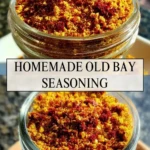
There are certain pantry staples I just don’t buy anymore, and Old Bay seasoning is one of them. Why? Because making it at home gives me full control over the flavor profile, heat level, and freshness. I’ve made several iterations over the years, and this final version nails everything I want—zesty, earthy, subtly sweet, and with just the right kick.
This homemade Old Bay seasoning is more vibrant than the store-bought version, and it comes without the additives or anti-caking agents you’ll find in commercial blends. I’ve used it on everything from shrimp boils to popcorn, and even sprinkled it over deviled eggs at a cookout. Every single time, someone has asked, “What is that flavor?!” That’s when I know it’s working.
The real magic is in the balance—celery salt gives that iconic backbone, paprika brings smokiness and warmth, and dry mustard and mace lift it just enough. It’s not about overpowering; it’s about rounding out.
“This homemade version blows the store mix out of the water. It’s brighter, spicier, and totally addictive!” — Lauren J., Maryland native and Old Bay loyalist turned DIY convert.

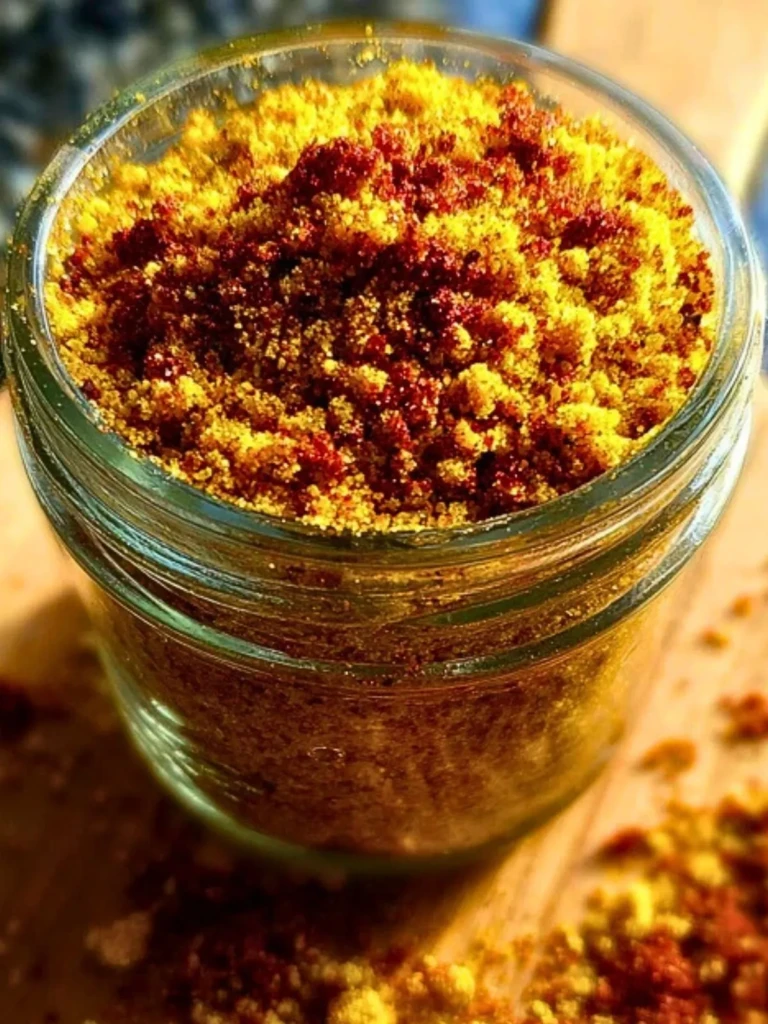
What Makes This Old Bay Seasoning Stand Out
Most people think of Old Bay as a one-note seasoning—great for seafood, sure, but not much else. That changes once you make your own. This version isn’t just a seasoning blend; it’s a precision-tuned flavor weapon. I layer warm spices like nutmeg and clove with sharper tones like dry mustard and ginger. The complexity lets it pull double duty as both a seafood go-to and an all-purpose kitchen MVP.
What really sets it apart is the freshness of the spices. When you blend it yourself, you’re not relying on a can that’s been on the shelf for a year and a half. You taste the paprika—sweet or smoked depending on your preference. The celery salt hits like it’s meant to. The bay leaves aren’t an afterthought; they’re the fragrant backbone.
Compared to standard recipes online, mine includes ground cardamom and white pepper—two small additions that elevate it to a chef-level blend. And don’t worry, you don’t need to be a pro to make it. This is beginner-friendly, just a matter of measuring and grinding. I use a dedicated spice grinder (the Cuisinart SG-10) to make quick work of the bay leaves and cloves, but a mortar and pestle will do the job in a pinch.
Once you taste it, you’ll never go back to the can.
Celery Salt vs. Sea Salt – Which Is Better?
Let’s talk about one of the first decisions you’ll make when crafting your own Old Bay blend: celery salt or sea salt as the base. Most store-bought Old Bay leans heavily on celery salt, but does it always have to?
In my notes: Celery salt delivers that instantly recognizable Old Bay punch—herbaceous, salty, and aromatic. It’s absolutely essential if you’re aiming for a faithful replication. I tested batches with straight sea salt, but the result was too flat and generic. Even when I added ground celery seed separately, it didn’t quite integrate the same way. Celery salt marries the two elements in a way that carries through every bite.
If you’re salt-sensitive or want to reduce sodium, you can experiment with a lower-salt celery salt or even make your own using a 2:1 ratio of sea salt to ground celery seed. But for the full effect, classic celery salt wins every time.
Paprika: Sweet, Smoked, or Hot?
Paprika isn’t just a coloring agent in this mix—it’s one of the flavor pillars. I’ve tested sweet Hungarian paprika, Spanish smoked paprika, and even hot paprika for kick.
In my notes: Sweet paprika keeps it traditional and balanced. Smoked paprika adds a deeper complexity that works incredibly well for meat and poultry rubs. Hot paprika gives a fast, sharp heat that can overpower if you’re not careful. I recommend using 1 part smoked to 2 parts sweet if you want the best of both worlds.
Ultimately, paprika defines whether your blend leans mellow or bold. I often go with a mix to give it character without veering into barbecue rub territory.
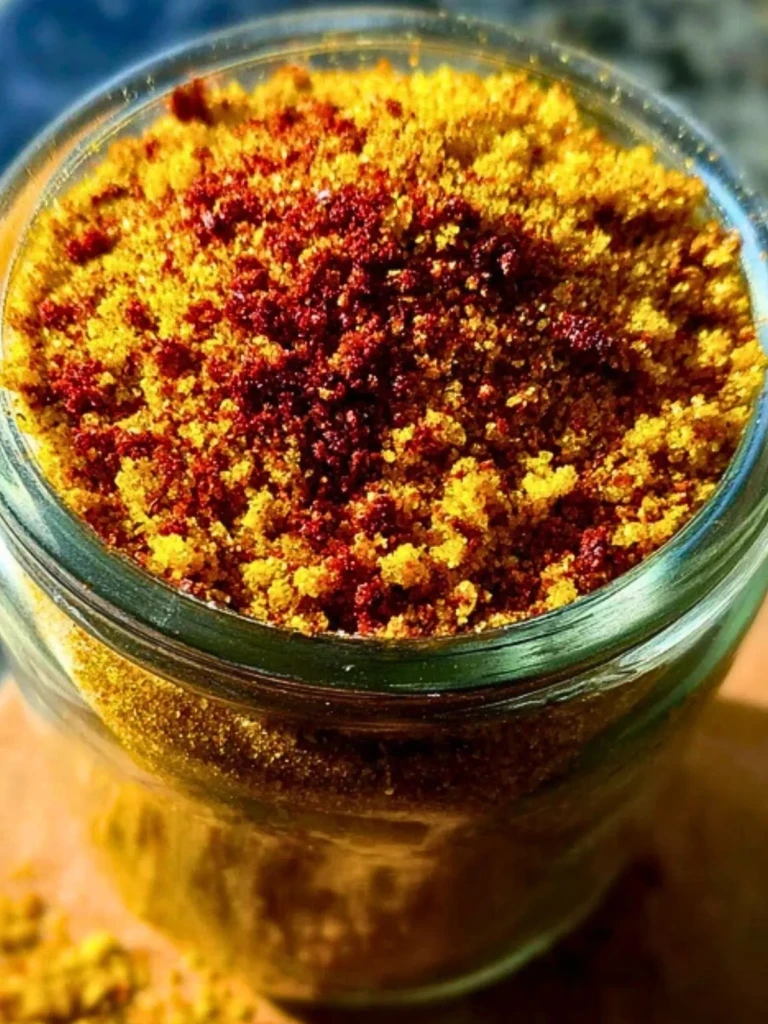
Why I Recommend 2 Bay Leaves, Ground Fresh
I’ve tried versions with pre-ground bay leaves, but they never quite hit the mark. Grinding two whole dried bay leaves myself produces a greener, more aromatic note that defines the blend’s backbone. The bitterness is gentler, and the aroma is ten times stronger. I use the Cuisinart SG-10 to blitz them down to a fine powder.
I also tested three or more leaves, but the flavor skewed too medicinal. Two is the sweet spot. It delivers complexity without distraction.
Use the Right Grinder for Best Results
When you’re blending spices this intricate, a blade grinder makes a huge difference. I tested my usual burr coffee grinder once—and regretted it instantly. The aroma lingered for days, and the grind wasn’t even.
Dedicated spice grinders like the Krups Fast Touch or Cuisinart SG-10 are small but powerful. They give you consistent texture, which matters more than you think. Uneven grinds can lead to bitter pockets, especially with cloves or allspice.
Mustard Powder: The Tangy Lift You Didn’t Know You Needed
Mustard powder does a quiet but essential job here. It adds a subtle sharpness that cuts through the warmer spices. I’ve made test batches without it, and they always taste a little dull.
I use 1 teaspoon of Coleman’s dry mustard in my blend. Generic mustard powders tend to lack punch, so it’s worth buying a reliable brand. It’s the kind of spice that activates other flavors without screaming for attention.
I’ve tried the recipe without it once. Never again.
How to Blend for a Bold Kick and Smooth Finish
For best results, I recommend using a dedicated electric spice grinder to combine the mix. Start with the hardest spices first—bay leaves, cloves, and allspice—and pulse until fine. Then add the remaining pre-ground ingredients and blend in short bursts until everything is evenly mixed. Over-blending can cause heat buildup, which changes the flavor profile.
I aim for a medium-fine texture. You don’t want powdery dust, but you also don’t want coarse flakes that don’t distribute evenly. The blend should feel like fine cornmeal between your fingers.
After grinding, let the mix sit uncovered for about 10 minutes before sealing it in an airtight jar. This lets the spices settle and prevents moisture buildup in storage. Skipping this step can result in clumping or muted flavor over time.
Keep the jar in a cool, dark cabinet and shake it before each use to reawaken the aromatics. When blended and stored properly, the seasoning stays vibrant for up to 6 months.
How Long It Lasts and How to Store This Old Bay Seasoning
I prefer this seasoning at room temperature, shaken directly onto hot foods so the oils activate instantly. It’s magic on fresh-popped popcorn, warm fries, and sizzling shrimp straight off the grill.
In terms of longevity, I store it in a glass jar with a tight seal, tucked in a dark pantry. It holds peak flavor for about 4 to 6 months, though I’ve stretched it to 8 when kept airtight and away from moisture. Over time, it mellows slightly, which actually makes it more versatile for uses like dips or compound butter.
Avoid plastic containers if possible—they tend to absorb the essential oils and dull the punch of the mix. For a quick refresh after a few months, add a fresh pinch of ground celery seed and smoked paprika to reawaken the blend.
Other Seasoning Blends I Make Just As Often
Homemade taco seasoning with smoked chipotle, cinnamon-sugar popcorn spice with Saigon cinnamon, lemon pepper made with dried zest and white pepper, and a curry rub with fenugreek and coriander that I use on roasted cauliflower. Each of these lives in its own little jar, and none of them ever gather dust.
Pin This Recipe and Come Back to It Anytime
Save this blend to your “Homemade Pantry Staples” or “Essential Spice Mixes” boards. Do you go classic with sweet paprika or sneak in the smoked kind like I do? How spicy do you go?
Tag me when you try it—especially if you invent a new use for it. I’ve yet to meet a potato or piece of seafood this doesn’t improve.
Equipment Notes That Make a Difference
Cuisinart SG-10 Grinder: Fast, consistent, and doesn’t overheat spices. Perfect for bay leaves and cloves.
Glass spice jars with tight seals: Keeps the blend fresh and potent. I like the 4 oz. wide-mouth Ball jars for easy scooping.
Micro measuring spoons: Essential when working with potent spices like cloves and mace. A pinch too much can throw off the whole batch.
Print
Homemade Old Bay Seasoning
- Total Time: 10 minutes
- Yield: 1/3 cup (6–8 uses)
Description
This vibrant Homemade Old Bay Seasoning is fresher, more aromatic, and customizable compared to the store-bought version. Perfect for seafood, fries, popcorn, and more, it’s a must-have spice blend in your kitchen arsenal. Crafted from freshly ground bay leaves, paprika, mustard powder, and warm spices, it’s a bold, balanced blend you’ll find yourself reaching for again and again.
Ingredients
2 tablespoons celery salt
1 tablespoon sweet paprika
1 teaspoon smoked paprika
1 teaspoon ground mustard (Coleman’s recommended)
1/2 teaspoon ground black pepper
1/2 teaspoon ground white pepper
1/2 teaspoon ground nutmeg
1/2 teaspoon ground cinnamon
1/4 teaspoon ground cloves
1/4 teaspoon ground cardamom
1/2 teaspoon ground allspice
1/2 teaspoon ground ginger
2 whole bay leaves, ground
1/8 teaspoon ground mace
1/8 teaspoon cayenne pepper (optional for heat)
Instructions
1. Grind the bay leaves, cloves, and allspice in an electric spice grinder until finely powdered.
2. Add the remaining pre-ground spices to the grinder.
3. Pulse in short bursts until evenly blended, avoiding heat buildup.
4. Aim for a medium-fine texture—like cornmeal.
5. Let the mix sit uncovered for 10 minutes to allow heat and moisture to dissipate.
6. Store in an airtight glass jar in a cool, dark place for up to 6 months.
7. Shake before use to reawaken aromatics.
Notes
Use freshly ground bay leaves for stronger aroma and greener flavor.
Let the mix breathe for 10 minutes after grinding before sealing.
A mix of sweet and smoked paprika adds a rich, balanced depth.
- Prep Time: 10 minutes
- Cook Time: 0 minutes
- Category: Seasoning
- Method: Blending
- Cuisine: American
Nutrition
- Serving Size: 1 teaspoon
- Calories: 5
- Sugar: 0g
- Sodium: 190mg
- Fat: 0.1g
- Saturated Fat: 0g
- Unsaturated Fat: 0.1g
- Trans Fat: 0g
- Carbohydrates: 1g
- Fiber: 0.3g
- Protein: 0.2g
- Cholesterol: 0mg
Keywords: old bay seasoning, homemade spice blend, seafood seasoning