
 Mia McKenny

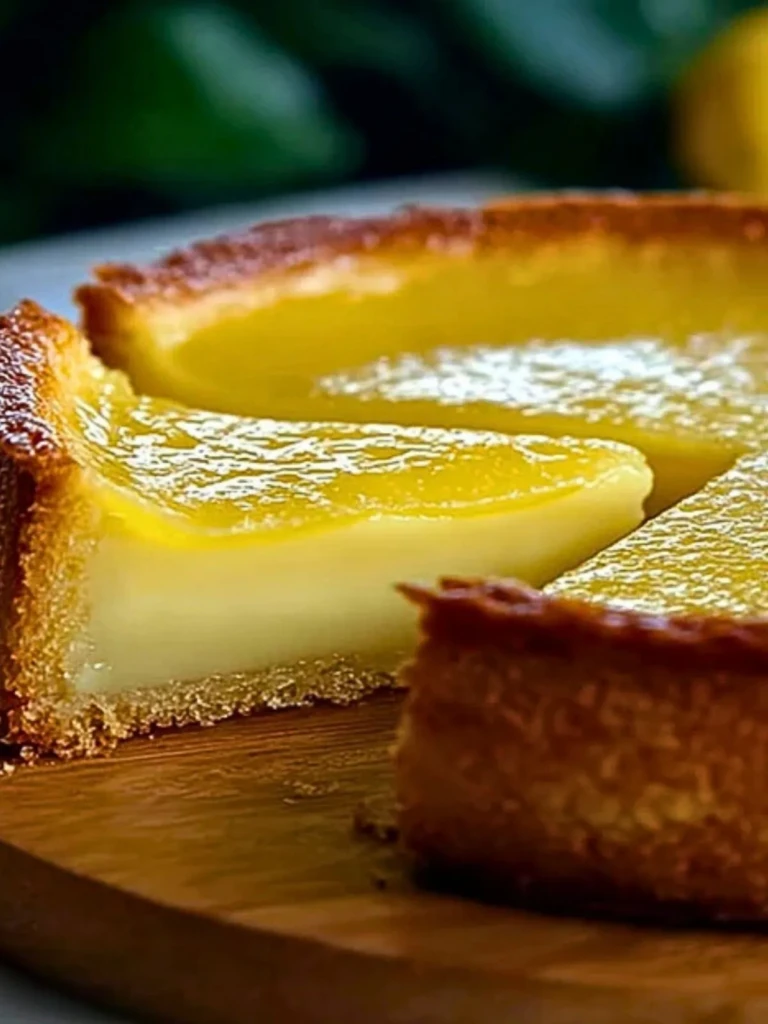
This lemon custard cake walks the perfect line between silky and structured, citrusy and sweet. The top has a subtle, glossy sheen that hints at its pudding-like softness underneath, and the graham-style crust hugs the sides with a crunch that keeps every bite grounded.
What makes this dessert stand out is how the custard sets so gently that it slices clean while still feeling like it’s melting the moment it hits your tongue. It’s not a sponge cake, and it’s not a tart. It’s that in-between magic where the custard feels whipped, but not airy—just thick enough to coat the spoon and leave a little trail.
I’ve tried lemon desserts that lean too sharp or too sweet, but this one lands right in the middle. The balance of zest and creamy egg base makes it something I keep coming back to. It’s the kind of cake that vanishes at dinner parties, usually before coffee is poured.

A Crumbly Crust That Holds It All Together
I like using a biscuit or graham cracker base for this cake—something buttery with a faint crunch that gives the custard a stage to shine. You don’t want anything too sweet or it’ll clash with the lemon. I pulse digestive biscuits with melted butter and a pinch of salt, then press it in with the bottom of a measuring cup until the edges rise up with enough thickness to cradle the filling. Bake it just enough to firm up before adding the custard layer.
Don’t skip pre-baking the crust. It makes all the difference. If you try to pour the custard into an unbaked base, it’ll absorb into the crumbs and you’ll lose that clean slice and layered look. The crust should have a golden edge—nothing too dark—just enough to smell a little nutty.
The Lemon Custard That Feels Like Velvet
The custard is where things get dreamy. It starts with fresh lemon juice and zest—don’t even think about using bottled juice here. The zest is what carries the fragrance through the whole cake. I whisk egg yolks, a bit of sugar, cornstarch, and warm milk until everything melds into a golden, pourable custard.
Strain the mixture if you’re worried about curdling or zest strands. I usually strain once before pouring it into the crust, especially if I’ve been a bit casual with my stirring. A water bath isn’t necessary here, but a slow bake at a low temperature helps keep the custard from cracking or over-firming.
How the Lemon Layers Set Just Right
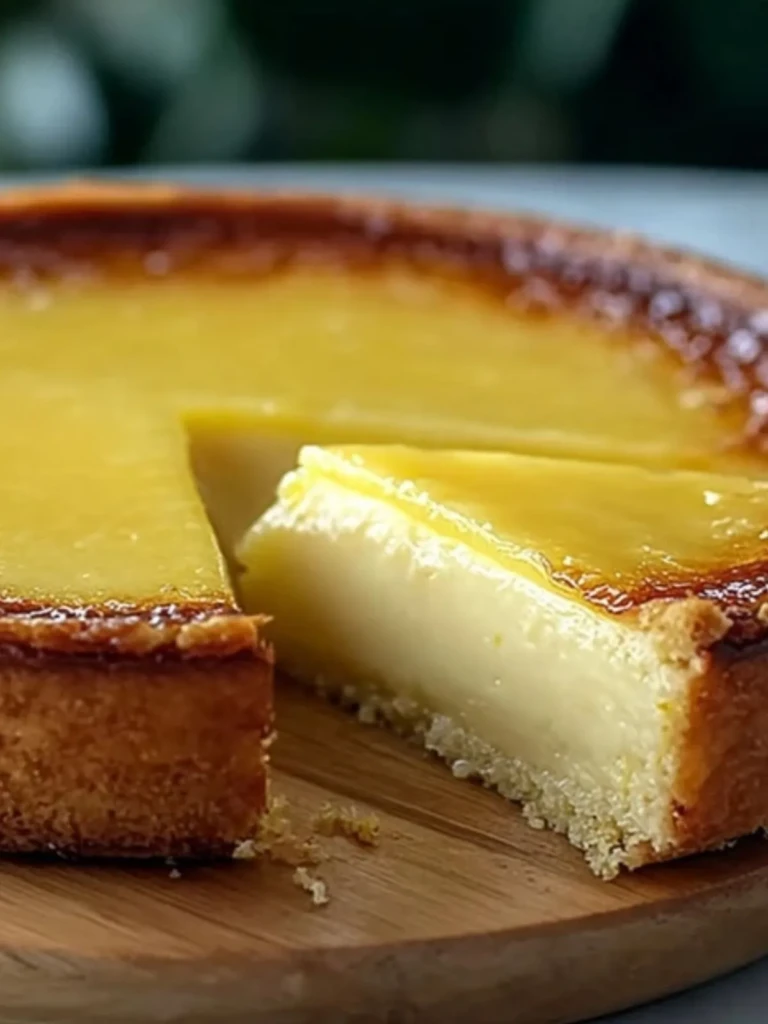
One of the best things about this recipe is how it sets in two parts: first during baking, then in the fridge. Once baked, the cake should jiggle slightly in the center but not ripple. That jiggle tightens up into a sliceable finish after chilling for a few hours.
What I wouldn’t recommend is rushing the chill time. Let it cool completely at room temperature first—about an hour—then refrigerate for at least four. Overnight is even better. That rest time deepens the flavor and gives the custard its signature silkiness.
What to Watch for as the Cake Bakes
When it goes into the oven, the custard should look pale and fluid—almost like a thick lemon sauce. I bake it at a low temperature, around 300ºF (150ºC), which gives the filling time to gently firm up without puffing or cracking.
You’ll know it’s ready when the edges look set and the center has a controlled jiggle—think of the wobble of gelatin rather than a slosh. If the top starts to brown or bubble, it’s gone a bit too far. At that point, the texture turns grainy instead of smooth.
After baking, don’t try to lift or slice it right away. Let it cool slowly in the pan. I usually give it a full hour before even thinking about the fridge. The chill sets the structure fully, making it easy to slice clean and serve without smudging the layers.
If you need to make it ahead, you can bake it the night before and chill it overnight. Just keep it covered in the fridge to avoid any odd flavors from settling in.
Serving Notes and Simple Ways to Store Leftovers
I serve this cake chilled, straight from the fridge, with nothing more than a dusting of powdered sugar or a thin slice of lemon on top. It doesn’t need whipped cream or any topping—though a few berries on the side can be nice if you’re making it for a gathering.
The texture is at its peak on the second day, once it’s had time to sit and let the lemon really settle into the custard. If you’re storing leftovers, cover the cake tightly and keep it refrigerated. It’ll hold beautifully for up to 3 days. After that, the crust may start to soften, but the flavor remains bright.
Don’t freeze this one. The custard won’t recover well from ice crystals and turns watery when thawed. If you want to make the crust ahead of time, you can freeze the unfilled shell for a few days and bake from frozen before adding the filling.
Why This Dessert Belongs in Your Spring and Summer Baking
This cake belongs in the warm-weather rotation. It’s cool, light, and brings the brightness that citrus lovers crave as the seasons shift. While rich enough to feel indulgent, it never weighs down a meal—it finishes things off with a clean, tart edge.
I especially love how it plays well with fresh fruit platters and iced drinks, making it a natural companion for spring brunches or summer evenings. It’s easier than a tart, more refreshing than a dense cheesecake, and far less fussy than a meringue-topped pie.
Compared to something like my lemon bar squares, which are great for grab-and-go picnics, this custard cake feels a little more elevated. It’s sliceable enough for a plated dessert but unfussy enough to eat with your fingers the next day from the fridge (not that I’m speaking from experience…).
Before You Go, Pin and Comment Below
If this lemon custard cake made it onto your dessert table, I’d love to hear what you thought—especially if you made any tweaks. Did you go for a different crust? Add a berry swirl?
Save this to your “Spring Desserts,” “Light Cakes,” or “Lemon Recipes” boards on Pinterest so it’s easy to find when the craving hits. I always come back to this one when I want something bright, creamy, and not too complicated.
And if you’re the kind of baker who likes to riff, let me know what variations you’d try. I’m already thinking about an orange version with a pistachio crust…
Print
Lemon Custard Cake: Light and zesty dessert option
- Total Time: 1 hour (plus chilling)
- Yield: 1 cake (8 servings)
- Diet: Vegetarian
Description
This silky lemon custard cake balances brightness and creaminess with a buttery graham crust. It slices clean, chills to perfection, and vanishes quickly from dessert tables.
Ingredients
1 ½ cups crushed digestive biscuits or graham crackers
6 tablespoons melted unsalted butter
1 pinch salt
4 large egg yolks
⅔ cup granulated sugar
¼ cup cornstarch
2 cups whole milk, warmed
½ cup fresh lemon juice
1 tablespoon lemon zest
Instructions
1. Preheat oven to 350°F (175°C).
2. Mix crushed biscuits, melted butter, and salt. Press into a 9-inch tart or cake pan, building up the sides.
3. Bake crust for 10 minutes until lightly golden. Let cool slightly.
4. In a saucepan, whisk egg yolks, sugar, and cornstarch until combined.
5. Gradually whisk in warm milk over low heat until smooth and thickened.
6. Remove from heat, stir in lemon juice and zest. Strain custard for smoothness.
7. Reduce oven to 300°F (150°C). Pour custard into cooled crust.
8. Bake for 30–35 minutes, until edges are set and center gently jiggles.
9. Cool in pan for 1 hour, then refrigerate at least 4 hours or overnight.
10. Serve chilled with optional powdered sugar or lemon slices.
Notes
Chill overnight for the smoothest custard texture.
Use only fresh lemon juice and zest for flavor depth.
Do not freeze this cake—custard texture will not hold.
- Prep Time: 25 minutes
- Cook Time: 35 minutes
- Category: Dessert
- Method: Baking
- Cuisine: American
Nutrition
- Serving Size: 1 slice
- Calories: 285
- Sugar: 18g
- Sodium: 130mg
- Fat: 16g
- Saturated Fat: 8g
- Unsaturated Fat: 7g
- Trans Fat: 0g
- Carbohydrates: 29g
- Fiber: 0g
- Protein: 5g
- Cholesterol: 105mg
Keywords: lemon custard cake, creamy lemon dessert, chilled lemon tart