
 Mia McKenny
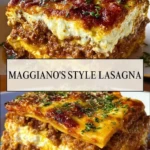
This Maggiano’s-style lasagna delivers everything you crave in a classic Italian-American baked pasta: deep layers of rich meat sauce, creamy ricotta filling, and perfectly melted mozzarella, all encased in tender pasta sheets. If you’ve ever had Maggiano’s lasagna and wondered how to bring that restaurant-level indulgence into your own kitchen, this guide will walk you through it step by step.
In this recipe, you’ll learn how to balance savory depth in your meat sauce, how to build structure without sogginess, and how to achieve that signature golden-brown cheesy crust. Unlike many home versions that can turn out watery or bland, this version is crafted to maintain sliceable integrity while delivering deep flavor in every bite. We’re leaning into traditional methods, with the added benefit of test-driven shortcuts that maintain results without sacrificing quality.
Lasagna belongs in the comfort food hall of fame, but it’s also one of the most misunderstood dishes when made from scratch. Too often the cheese overwhelms the sauce, or the noodles lack proper bite. This version finds its rhythm in balance: a robust Bolognese-like ragu paired with seasoned ricotta, layered between precisely cooked pasta and topped with a caramelized cheese finish that seals it all in.
Bringing this lasagna to the table is deeply satisfying—not just for the visual impact of those stacked layers, but for the first forkful that proves every element is working in harmony. Whether for a Sunday dinner or a make-ahead freezer staple, it’s a recipe that earns its keep in any home cook’s repertoire.

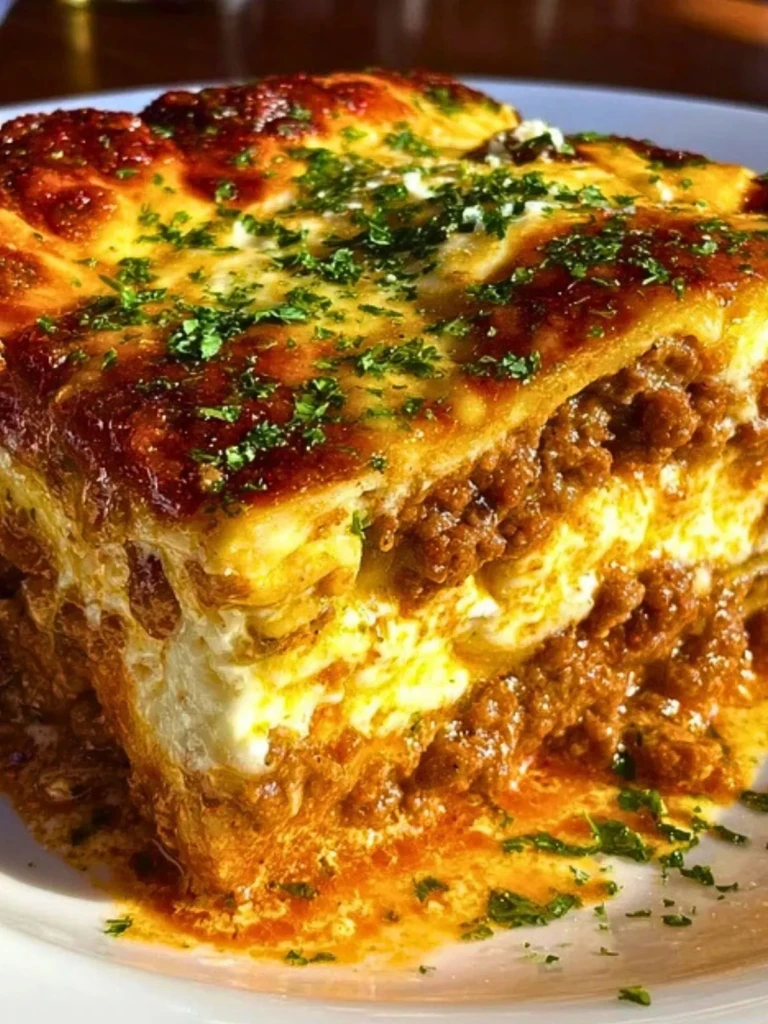
Ingredients for the Maggiano’s Style Lasagna
The core of any great lasagna lies in its components, and for this Maggiano’s-style version, each ingredient has a purpose and must be handled with intention. The process begins with the meat sauce, which forms the structural and flavor foundation of the entire dish. I prefer a combination of 80/20 ground beef and mild Italian sausage. The beef brings richness and a classic meatiness, while the sausage adds fat, spice, and aromatic depth. Using a yellow onion, finely diced and sautéed until translucent, helps develop a sweet-savory base that underscores the sauce.
Tomato products matter here. I use a mix of crushed San Marzano tomatoes and tomato paste—the former for freshness and body, the latter for deep umami concentration. Simmering with garlic, a touch of sugar, and Italian herbs helps mimic the long-cooked flavor profile of restaurant sauces in a manageable timeframe. A splash of red wine (or beef broth for a non-alcoholic option) intensifies the sauce and balances the natural acidity of the tomatoes.
The ricotta filling requires balance and structure. Whole milk ricotta lends a creamy texture, but I blend it with an egg, grated Parmesan, salt, and parsley to add flavor and help it firm up when baked. Compared to mascarpone or cottage cheese, ricotta holds its shape better and delivers that classic lasagna interior. Freshly grated mozzarella, not pre-shredded, melts smoother and browns more evenly across the top.
Pasta choice also affects the final texture. I recommend using oven-ready lasagna noodles for convenience and to reduce moisture. They absorb just enough liquid during baking to create a cohesive slice without becoming soggy. However, if using fresh or boiled noodles, ensure they are very lightly cooked to prevent over-softening.
Each layer works in cooperation—meat for depth, ricotta for creaminess, mozzarella for melt, and pasta for structure. When these components are in balance, the result is a lasagna that eats like a composed dish, not just a stack of parts.
Choosing Between Ricotta and Cottage Cheese
One of the most debated decisions in homemade lasagna is whether to use ricotta or cottage cheese in the filling. I’ve tested both extensively for this Maggiano’s-style recipe, and the distinction comes down to texture, flavor, and performance when baked.
Ricotta cheese, especially the whole milk variety, offers a thick, creamy body that holds up beautifully under heat. It doesn’t release excess moisture, so your lasagna slices stay clean and structured. Ricotta also has a mild richness that complements both the tomato sauce and the beef without overshadowing them. When mixed with egg and Parmesan, it firms up nicely into a tender layer that contrasts against the hearty meat sauce.
Cottage cheese, by contrast, has a looser, wetter consistency and a more pronounced tang. While some cooks appreciate the lightness it brings, it tends to create a softer interior that can become watery unless it’s drained thoroughly. It can work in a pinch, especially if you’re trying to reduce fat content or using what you have on hand, but you’ll need to blend it for smoothness and reduce other liquid components.
From a cost and availability standpoint, cottage cheese is often more budget-friendly and accessible in certain markets. But for this particular style of lasagna, where structure and richness are priorities, ricotta yields a superior result. It’s closer to what you’d expect from a restaurant like Maggiano’s and behaves more predictably during baking.
For those wanting the best of both, a 70/30 blend of ricotta to cottage cheese can offer a middle ground. Just make sure any cottage cheese used is well-drained and blended to avoid curd separation in the oven.
The Layering Method That Protects the Structure
Lasagna, when layered with intention, transforms from a collection of parts into a unified, sliceable whole. The key to mastering this Maggiano’s-style version lies in controlling moisture, maintaining even distribution, and layering with a builder’s logic rather than simply stacking ingredients.
Start by spreading a thin layer of meat sauce directly on the bottom of your baking dish. This prevents the bottom noodles from sticking and infuses them with flavor right from the first bite. Next comes your first layer of noodles, slightly overlapping to ensure coverage. Don’t over-soak oven-ready noodles—they’ll draw in moisture during baking and soften perfectly on their own.
The ricotta mixture is best added in dollops, then gently spread to avoid pulling up the noodles. This creates an even cushion that won’t displace under the weight of the next layer. Follow with more meat sauce, ensuring it fully covers the cheese. This sequencing not only protects the ricotta from drying out but also keeps the sauce centered for flavor balance.
Mozzarella should be added in moderate amounts between layers, but saved in heavier quantity for the top, where it can brown and bubble into that signature crust. Always finish with noodles, a generous layer of sauce, and a blanket of mozzarella. A final dusting of Parmesan adds sharpness and encourages browning.
The biggest mistake I see is overloading each layer. Keep them lean but balanced. Three to four total layers is ideal for this style—any more, and the lasagna becomes too tall to bake evenly. Gently press down on the final layer before baking to help the structure settle, and allow the lasagna to rest at least 20 minutes after baking to firm up before slicing. These steps ensure your finished dish doesn’t slump on the plate but holds its shape with distinct, flavorful layers.
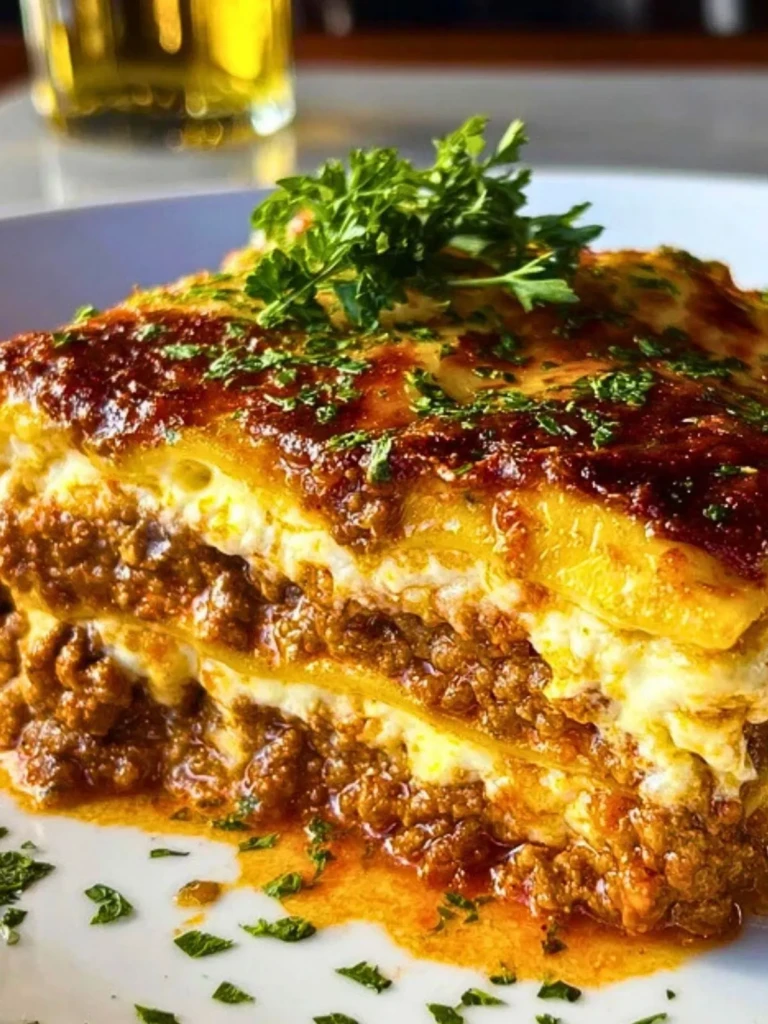
Serving and Storing Maggiano’s Style Lasagna
When it comes to serving this lasagna, presentation and timing make all the difference. Let the lasagna rest for at least 20 to 30 minutes after baking—this is non-negotiable if you want those clean, satisfying layers to hold together. A serrated knife works best for slicing through the cheesy top without dragging the layers out of alignment. Serve on warmed plates to maintain temperature and showcase that melty interior.
For presentation, a light sprinkle of chopped parsley or basil over the top just before serving adds contrast and a touch of freshness. If you’re making this for a crowd or a holiday dinner, assembling in advance is a major advantage. You can refrigerate the fully assembled, unbaked lasagna up to 2 days ahead. Just bring it to room temperature before baking, or add about 15 minutes to the bake time straight from the fridge.
Storage is another strength of this recipe. Once baked, it keeps beautifully in the refrigerator for up to five days. The flavor even improves after a day, as the layers have more time to meld. For longer storage, slice into portions and freeze tightly wrapped. Reheat from frozen, covered in foil, at 350°F until hot through—usually about 40 to 50 minutes depending on thickness.
This lasagna is ideal for make-ahead meal prep or delivering to friends or family who need a comforting dish. Its flavor and structure both hold up well to reheating, making it more reliable than cream-based pastas or delicate casseroles. It shares similar staying power with baked ziti or stuffed shells, but delivers more impact per portion thanks to its hearty, layered composition.
A Quick Note on Comparisons With Other Lasagna Recipes
Compared to traditional northern Italian lasagna, which often features a béchamel-based white sauce and delicate meat ragu, this Maggiano’s-style version leans heavily into the Italian-American tradition of bold tomato flavor, gooey cheese, and hearty meat layers. It’s more robust in texture and delivers a greater contrast of flavors with each forkful.
Many home lasagna recipes fall into two extremes—either too soupy and unstable, or overly dry and dense. This version finds its sweet spot in structure, moisture control, and balanced richness. It borrows some of the best ideas from restaurant preparation, like concentrated sauces, layered moisture barriers, and extended rest times after baking.
Readers often comment on the nostalgia and satisfaction it brings—it tastes like the lasagna they remember from Sunday dinners or special restaurant outings, but with a homemade warmth that’s hard to replicate. The biggest compliment I hear is how it slices cleanly and reheats with integrity, unlike many recipes that fall apart on the second day.
If you’ve made skillet lasagna or shortcut versions using jarred sauce, this recipe will feel like a deliberate upgrade without becoming burdensome. And if you’re familiar with other baked pasta dishes like manicotti or baked rigatoni, the same layering logic and flavor development applies here, just with more control over structure and presentation.
This lasagna holds its own in any lineup—as comforting as a meatloaf dinner, as celebratory as roast beef, and as universally loved as mac and cheese. That’s the beauty of a well-executed, classic Italian-American lasagna: it bridges comfort and celebration with every slice.
Print
Maggiano’s Style Lasagna – Hearty, Cheesy, Rich Layers
- Total Time: 1 hour 20 minutes
- Yield: 9 servings
Description
This hearty Maggiano’s-style lasagna layers rich beef and sausage meat sauce with creamy ricotta, tender noodles, and melted mozzarella. It holds structure beautifully and delivers bold, nostalgic flavor in every slice.
Ingredients
1 pound ground beef (80/20)
1/2 pound mild Italian sausage
1 yellow onion, finely diced
3 cloves garlic, minced
1 tablespoon olive oil
1 can (28 ounces) crushed San Marzano tomatoes
2 tablespoons tomato paste
1/2 cup red wine (or beef broth)
1 teaspoon sugar
1 teaspoon dried oregano
1 teaspoon dried basil
1/2 teaspoon salt
1/2 teaspoon black pepper
15 ounces whole milk ricotta cheese
1 large egg
1/3 cup grated Parmesan cheese
2 tablespoons chopped parsley
3 cups shredded mozzarella cheese
9 oven-ready lasagna noodles
Extra Parmesan for topping
Chopped parsley or basil for garnish
Instructions
1. Heat olive oil in a large skillet over medium heat. Sauté onion until translucent, then add garlic and cook 1 minute.
2. Add ground beef and sausage, breaking it up and browning completely. Drain excess fat.
3. Stir in tomato paste and cook for 2 minutes to deepen flavor.
4. Add crushed tomatoes, red wine (or broth), sugar, oregano, basil, salt, and pepper. Simmer uncovered for 25–30 minutes until thickened.
5. In a bowl, combine ricotta, egg, Parmesan, and parsley. Mix until smooth and seasoned.
6. Preheat oven to 375°F (190°C).
7. Spread a small amount of meat sauce on the bottom of a 9×13-inch baking dish.
8. Layer 3 noodles, then half the ricotta mixture, followed by meat sauce and a sprinkle of mozzarella. Repeat.
9. Top with final 3 noodles, remaining sauce, mozzarella, and extra Parmesan.
10. Cover with foil and bake for 25 minutes. Remove foil and bake an additional 20–25 minutes until bubbly and browned.
11. Let rest for 25–30 minutes before slicing and serving.
12. Garnish with parsley or basil and serve warm.
Notes
Allow lasagna to rest after baking to ensure clean slices.
Use whole milk ricotta for structure and creaminess; avoid watery substitutes.
For make-ahead ease, assemble up to two days in advance and refrigerate unbaked.
- Prep Time: 30 minutes
- Cook Time: 50 minutes
- Category: Main Dish
- Method: Baking
- Cuisine: Italian-American
Nutrition
- Serving Size: 1 slice
- Calories: 580
- Sugar: 7g
- Sodium: 820mg
- Fat: 33g
- Saturated Fat: 16g
- Unsaturated Fat: 13g
- Trans Fat: 0g
- Carbohydrates: 38g
- Fiber: 4g
- Protein: 35g
- Cholesterol: 105mg
Keywords: lasagna, beef lasagna, Maggiano’s, Italian pasta, layered pasta bake