
 Mia McKenny
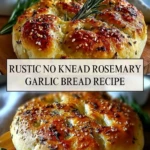
There are few things more satisfying than tearing into a warm, golden round of homemade bread, especially when it’s infused with fresh rosemary, roasted garlic, and a perfectly crisp crust. This rustic no knead rosemary garlic bread is the kind of loaf that stops conversation. It smells like a bakery, tastes like comfort, and requires zero kneading.
What sets this version apart is the deliberate use of time and steam instead of elbow grease. I’ve made dozens of rosemary garlic breads over the years, and this one is the most consistent with the least amount of fuss. I’ve served it alongside roasted chicken, dipped it into hearty soups, and once used it as the base for an open-faced steak sandwich. Every time, it disappeared.
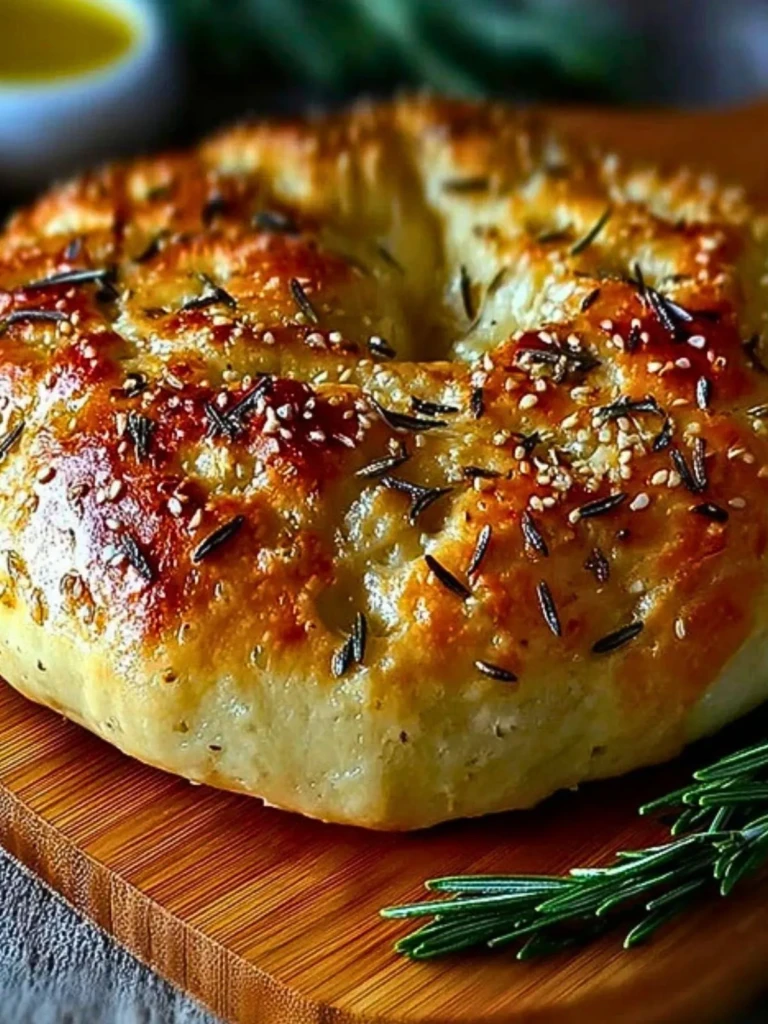
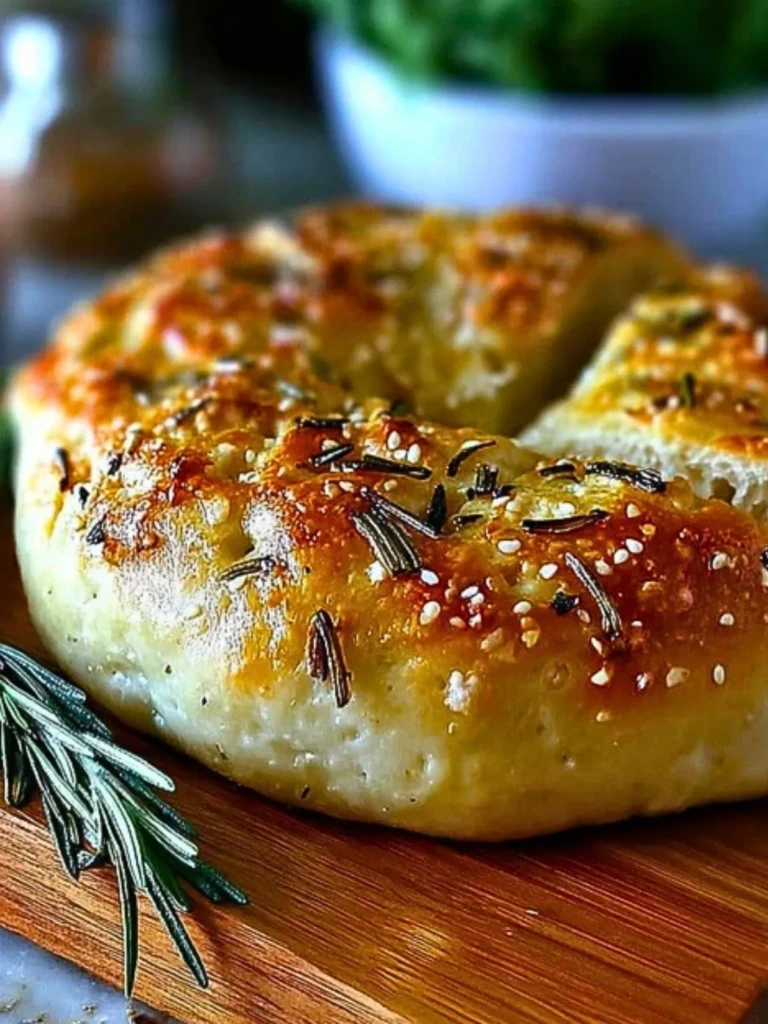
This bread relies on a long fermentation, minimal handling, and a Dutch oven to trap steam and form that signature crust. The inside is chewy with large air pockets, while the outside has a crackling golden shell. You’ll get deep flavor from roasted garlic and piney bursts from fresh rosemary.
“I made this for a dinner party last weekend and it vanished in five minutes. My guests thought it came from a high-end bakery!” – Carla B., reader

What Makes This Rustic No Knead Rosemary Garlic Bread Stand Out
This isn’t your average quick-rise bread. The long fermentation is what gives it that old-world bakery complexity without demanding much effort. I’ve tested other versions that skip this step, and they always fall flat—literally and flavor-wise.
This bread starts with a high-hydration dough. That means it’s sticky and loose but perfect for developing those uneven air holes that signal artisan quality. The rosemary is chopped fresh—never dried—and added at the right time to infuse the dough without browning. The garlic is roasted whole, then mashed and folded in gently so you get pockets of sweetness rather than sharpness.
The crust is where the Dutch oven earns its keep. Trapping steam during the first half of the bake lets the crust expand before it sets. I’ve tried baking this free-form and in loaf pans, but nothing beats the dramatic rise and crust you get from cast iron.
Despite sounding fancy, this recipe is extremely beginner-friendly. If you can stir ingredients in a bowl and wait overnight, you can make this bread. No kneading, no special mixer—just patience and a bit of trust in the process.
Bread Flour vs. All-Purpose Flour – Which Is Better?
Let’s talk about one of the first decisions you’ll make with this recipe: flour choice. I’ve made this loaf with both bread flour and all-purpose flour, and the differences are clear in both texture and structure.
In my notes: Bread flour gives the bread a stronger chew and a more robust internal structure. You’ll notice taller loaves with more defined air pockets. It holds shape beautifully during the second rise. All-purpose flour, on the other hand, produces a slightly softer crumb and a more tender crust. It still works—but the loaf will spread more and feel a bit more rustic.
If you’re new to bread baking, start with all-purpose flour because it’s more forgiving in hydration. But if you want the best possible rise and chew, bread flour is the move. I now use King Arthur Bread Flour almost exclusively for this recipe.
Why I Recommend 2 Full Heads of Roasted Garlic
This isn’t garlic bread in the usual sense. Roasting the garlic softens it into something mellow and almost caramelized. I’ve tested with just one head and the flavor gets lost, especially if you’re serving this alongside bold mains. Two heads hit the sweet spot—deep garlic flavor without overpowering.
I cut the tops off the garlic heads, drizzle with olive oil, wrap in foil, and roast at 400°F for about 35 minutes. When cool, I squeeze the cloves out and mash lightly before folding them into the dough. This method ensures even garlic distribution and keeps the texture smooth.
Use the Right Dutch Oven for Best Results
I’ve tested this in everything from vintage cast iron to modern ceramic-coated Dutch ovens. The best results come from thick-walled cast iron models like the Lodge 5.5 qt or the Le Creuset Round Dutch Oven. They retain and distribute heat evenly and trap steam for that crisp bakery-style crust.
I tried a thin-walled enamel pot once and ended up with a pale, soft crust and a slightly gummy bottom. Never again. The right pot makes or breaks this bread.
Rosemary: Fragrant Needles and Never Skipped
Rosemary adds more than just aroma—it creates a structure of flavor through the loaf. I use 1 1/2 tablespoons of chopped fresh rosemary, added just after the first rise so it doesn’t get lost during fermentation. I’ve tried skipping it before, thinking the garlic would carry the flavor. It didn’t. The bread was fine—but not memorable.
I also save a few sprigs for the top. Pressed into the dough before baking, they crisp up into decorative, edible garnishes. It’s worth the extra step every time.
How to Bake for a Shatter-Crust and Chewy Center
Start by preheating your Dutch oven with the lid on at 450°F for at least 30 minutes. You want that pot scorching hot before the dough hits it. I use parchment paper to transfer the dough in—no sticking, no burns.
Bake covered for 30 minutes to trap steam. This gives the loaf its dramatic oven spring and lets the crust set slowly. Then, uncover and bake another 15–20 minutes until deep golden brown. I look for a hollow sound when tapped on the bottom and a rich amber color.
After baking, resist the urge to slice immediately. I let mine cool for at least 45 minutes on a wire rack. This allows the interior to finish setting and avoids the gummy texture that comes from rushing it. If you cut too early, all that steam escapes and the crumb tightens up unpleasantly.
The crust will crackle audibly as it cools—music to my ears every time.
How Long It Lasts and How to Store This Rustic No Knead Rosemary Garlic Bread
This bread is at its peak the day it’s baked. That crackling crust is something you want to enjoy fresh. That said, it holds up surprisingly well for about two days at room temperature if stored correctly.
I wrap the loaf in a clean, breathable kitchen towel and keep it in a paper bag. Avoid plastic—it traps moisture and ruins the crust. On day two, I usually toast slices to bring back the texture.
For longer storage, slice the cooled loaf and freeze individual pieces in a zip-top bag. Reheat directly from frozen in a toaster or oven at 350°F for about 8–10 minutes.
Other Artisan Breads I Bake Just As Often
When I’m not making this rosemary garlic version, I rotate in a few other no-knead favorites. My olive and thyme rustic loaf uses a similar method with briny Kalamata olives. There’s also my seeded whole grain boule with flax, sunflower, and sesame seeds—it’s a powerhouse for breakfast toast. I love a honey oat Dutch oven bread for its softer crumb and faint sweetness. And when I want something with tang, I go for my overnight sourdough made with a bubbly starter and long cold fermentation. These recipes all share the same low-effort, high-reward technique.
Pin This Recipe and Come Back to It Anytime
Save this one to your “Homemade Bread Goals” board or “Savory Baking Staples”. If you try it, I’d love to know: did you go with roasted garlic or fresh? Did you swap the rosemary for another herb? Share your version—I’m always curious how these loaves evolve in other kitchens.
Equipment Notes That Make a Difference
Dutch oven: Go for a heavy-bottomed 5 to 6-quart cast iron Dutch oven. My go-to is the Lodge 5.5 qt—reliable heat retention and durable enough for repeated bakes.
Kitchen scale: For accurate hydration, weighing flour and water is far better than scooping. I use the OXO Good Grips digital scale.
Mixing bowl with lid: A clear glass or plastic container lets you track the rise easily. Cambro containers work great for bulk fermentation.
Parchment paper: Not all brands are created equal. I’ve had tearing issues with cheap ones. Reynolds and Kirkland are my preferred choices.
Oven thermometer: Many home ovens run 15–25 degrees off. I use a ThermoWorks oven thermometer to ensure accuracy before preheating.
Bench scraper: For shaping the sticky dough, this tool makes it easy to fold and lift without over-handling.
Trust your senses: I’ve learned more by watching the dough than by watching the clock. Feel, smell, and sight will tell you when it’s right.
Print
Rustic No Knead Rosemary Garlic Bread Recipe
- Total Time: 13 hours
- Yield: 1 loaf
- Diet: Vegetarian
Description
This rustic no knead rosemary garlic bread delivers a deeply flavorful, bakery-quality loaf with a crackling crust and chewy, aromatic interior—all without kneading. Roasted garlic and fresh rosemary take it to another level. Perfect with soups, pastas, or simply dipped in olive oil.
Ingredients
3 cups bread flour
1 3/4 teaspoons salt
1/2 teaspoon instant yeast
1 1/2 cups warm water
2 heads roasted garlic
1 1/2 tablespoons chopped fresh rosemary
1 tablespoon olive oil
Extra rosemary sprigs for topping
Instructions
1. In a large mixing bowl, combine bread flour, salt, and instant yeast.
2. Add warm water and stir until a sticky dough forms.
3. Cover with plastic wrap or a lid and let it rise at room temperature for 12 to 18 hours.
4. Roast the garlic at 400°F for 35 minutes. Cool, squeeze out the cloves, and mash lightly.
5. After the initial rise, fold in the mashed roasted garlic and chopped rosemary.
6. Shape the dough into a round on parchment paper and let it rest for 45 minutes.
7. Preheat a Dutch oven at 450°F for 30 minutes.
8. Transfer dough with parchment into the hot pot.
9. Cover and bake for 30 minutes.
10. Uncover and bake for another 15–20 minutes until deeply golden.
11. Cool on a wire rack for at least 45 minutes before slicing.
Notes
Let the dough ferment overnight for the best texture and flavor.
Always use roasted garlic, not raw—it adds sweetness and depth.
Avoid cutting the bread too early after baking or the crumb will get gummy.
- Prep Time: 12 hours
- Cook Time: 50 minutes
- Category: Bread
- Method: Baking
- Cuisine: Rustic, Artisan
Nutrition
- Serving Size: 1 slice
- Calories: 165
- Sugar: 0.6g
- Sodium: 307mg
- Fat: 2.2g
- Saturated Fat: 0.3g
- Unsaturated Fat: 1.7g
- Trans Fat: 0g
- Carbohydrates: 31g
- Fiber: 1.3g
- Protein: 4.8g
- Cholesterol: 0mg
Keywords: no knead bread, rosemary garlic bread, Dutch oven bread